Anodized Aluminum Extrusion: Engineering Guide for Durable Precision Parts
Aluminum extrusion is popular in industrial manufacturing thanks to its light weight, structural toughness and flexible design, while most industrial parts demand extra surface defense against corrosion, abrasion and harsh long-term working environments. Anodized aluminum extrusion acts as a reliable finishing option by forming an integrated oxide layer on aluminum rather than superficial paint or powder coating, delivering stronger corrosion resistance, higher surface hardness and stable appearance. OEM engineers need to evaluate alloys, extrusion shapes, machining procedures, coating thickness, tolerances and inspection standards to pick proper anodized aluminum extrusion, which is extensively applied in automation gear, electronic casings, medical devices, communication systems and precision assemblies.
What Is Anodized Aluminum Extrusion?
Anodized aluminum extrusion stands for extruded aluminum profiles processed via electrochemical anodization to form a protective oxide film. Immersed in electrolyte as the anode, the aluminum reacts with oxygen under regulated current to grow a compact hard layer. Instead of fragile external coatings, this treatment alters the base metal surface intrinsically, ensuring tight adhesion and effectively avoiding peeling or surface deterioration in long service.
The main engineering advantages include:
Performance Feature
Engineering Benefit
Corrosion resistance
Protects components in demanding environments
Surface hardness
Improves scratch and wear resistance
Dimensional stability
Maintains precision after finishing
UV resistance
Supports outdoor and long-term applications
Different applications require different anodizing specifications:
Anodizing Type
Typical Thickness
Common Applications
Decorative anodizing
5–10 μm
Consumer products and appearance-focused parts
Industrial anodizing
10–25 μm
Automation equipment and machine components
Hard anodizing
25–70 μm
Wear-resistant mechanical applications
For industrial customers, anodizing is usually combined with precision machining to produce finished components rather than simple profiles. Working with a supplier experienced in custom aluminum extrusion profiles allows engineers to optimize profile geometry, machining requirements, and finishing specifications before production begins.
This integrated approach helps reduce manufacturing risks, improve production consistency, and ensure the final component meets functional requirements.
Material Selection for Anodized Aluminum Profiles
Selecting the correct aluminum alloy is one of the most important decisions when developing anodized components. Alloy composition directly affects oxide formation, surface appearance, corrosion resistance, and machining performance.
For most industrial extrusion applications, 6000-series aluminum alloys are preferred because they provide a balanced combination of strength, corrosion resistance, and manufacturing efficiency.
Aluminum Alloy
Anodizing Performance
Typical Applications
6063
Excellent surface quality
Decorative and architectural profiles
6061
Excellent overall balance
Industrial precision components
6082
Very good strength
Structural applications
7075
High strength but less uniform finish
Specialized mechanical parts
6063 aluminum delivers smooth, uniform anodized surfaces and is favored for parts prioritizing aesthetics, while 6061 aluminum boasts superior machinability and mechanical strength, ideal for precision aluminum extrusion components in automation frames and custom assemblies. High-toughness 7075 alloy features enhanced mechanical performance yet complicates consistent coloring of anodized aluminum extrusion due to rich alloying elements.
When selecting materials, engineers should evaluate:
Mechanical loading requirements
Environmental conditions
Surface appearance expectations
CNC machining complexity
Production volume
Required dimensional accuracy
Choosing the appropriate alloy during the early design stage helps prevent finishing issues and reduces unnecessary production adjustments.
Design Guidelines for Anodized Aluminum Extrusion Components
Successful anodized aluminum extrusion projects require engineers to consider finishing requirements during the initial design stage. Treating anodizing only as a final cosmetic process can create dimensional issues, additional machining costs, and inconsistent surface quality.
Important design considerations include:
Design Factor
Recommended Practice
Sharp edges
Add proper radii for uniform coating
Tight tolerances
Identify critical machining surfaces
Threaded features
Plan machining sequence carefully
Contact surfaces
Define masking requirements
Complex extrusion shapes with deep cavities lead to uneven finishes on anodized aluminum extrusion due to poor electrolyte flow. Designers should isolate decorative and functional zones for precision assemblies with masking. Proper pre-treatment is vital, as scratches and stains stay obvious after anodizing.
A complete design review should evaluate:
Profile geometry
Machining accessibility
Surface finish requirements
Assembly conditions
Inspection methods
This engineering approach improves manufacturing repeatability and reduces finishing-related defects.
CNC Machining and Finishing Sequence Considerations
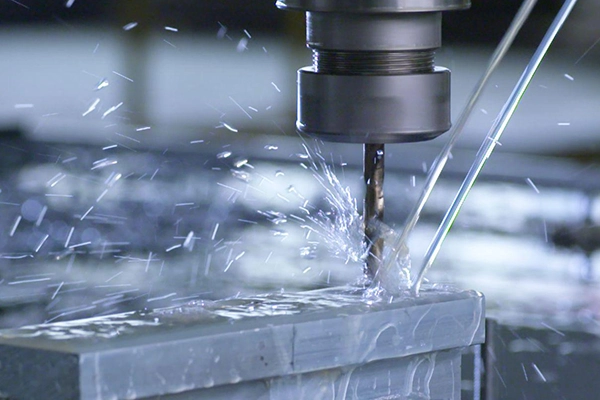
Many anodized extrusion components require additional CNC machining operations, including milling, drilling, tapping, slotting, and precision cutting. The machining sequence directly affects final appearance, dimensional accuracy, and surface protection.
Common manufacturing routes include:
Process Sequence
Advantages
Machining → Anodizing
Best overall protection and appearance
Anodizing → Machining
Maintains coating on most surfaces
Partial machining → Anodizing → Final machining
Suitable for complex precision parts
For most OEM applications, machining before anodizing provides the best balance between corrosion protection, appearance consistency, and dimensional control.
However, certain functional areas may require machining after anodizing, including:
Bearing surfaces
Electrical contact points
Precision assembly interfaces
Because anodized layers are harder than raw aluminum, manufacturers must optimize cutting parameters to prevent surface damage, edge chipping, or inconsistent machining results.
For OEM projects requiring repeat production and stable dimensional performance, combining extrusion, finishing, and machining capabilities provides better process control. Many manufacturers integrate anodized extrusion projects with aluminum CNC machining services to produce complete components from raw material preparation through final machining.
Quality Control Requirements for Anodized Aluminum Extrusion
Maintaining consistent quality is essential for industrial anodized aluminum extrusion components, especially when parts are used in automation equipment, precision machinery, and OEM production systems. A reliable manufacturing process must control not only the anodizing operation but also extrusion quality, CNC machining accuracy, and final inspection requirements.
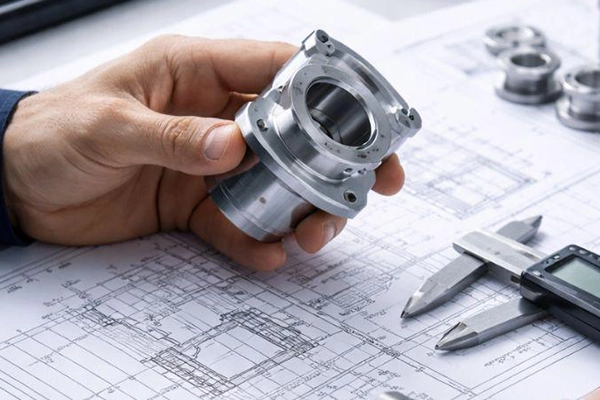
Visual appearance alone cannot fully determine anodizing quality. Professional quality control should verify coating thickness, surface condition, dimensional accuracy, and environmental performance.
Inspection Item
Inspection Method
Purpose
Coating thickness
Eddy current testing
Confirms anodizing thickness requirements
Surface appearance
Controlled visual inspection
Detects scratches, stains, and color variation
Dimensional accuracy
CMM and precision gauges
Verifies machining tolerance
Corrosion resistance
Salt spray testing
Evaluates long-term durability
For precision industrial applications, inspection should cover the complete manufacturing workflow:
Incoming aluminum material verification
Extrusion profile inspection
CNC machining measurement
Anodizing process monitoring
Final dimensional validation
A complete quality management system helps OEM customers maintain stable production results across multiple manufacturing batches and long-term supply programs.
Real Engineering Case Study: Anodized Aluminum Extrusion for Automation Equipment
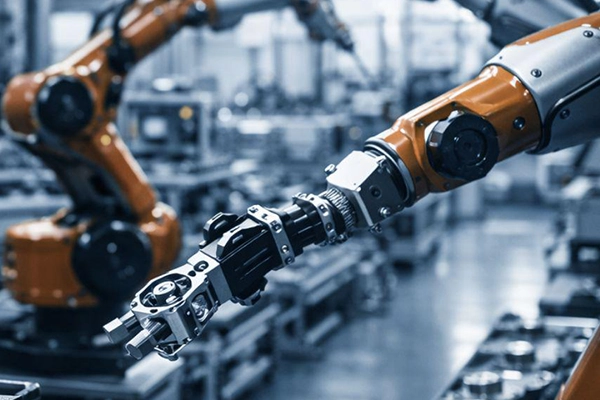
A European automation equipment manufacturer required lightweight structural brackets for a robotic assembly system. The original steel components created several challenges, including excessive weight, corrosion concerns, and inconsistent surface appearance after extended operation.
The engineering team redesigned the components using 6061 aluminum extrusion combined with CNC machining and anodizing.
Project Requirements
Requirement
Customer Need
Material
6061 aluminum extrusion
Application
Industrial automation equipment
Surface Finish
Black anodized finish
Critical Tolerance
±0.05 mm
Annual Volume
5,000+ pieces
The manufacturing process included extrusion production, CNC machining, surface preparation, and controlled anodizing.
The components were machined before anodizing so the complete surface could receive corrosion protection. Critical assembly areas were controlled during production to maintain accurate fitting performance.
Project Results
Performance Area
Improvement
Component Weight
Reduced compared with steel components
Corrosion Resistance
Improved in factory environments
Surface Durability
Improved scratch resistance
Production Consistency
Improved between production batches
The final components achieved stable quality and improved equipment reliability. This project demonstrates that anodizing is not simply a decorative finishing process but an important engineering decision affecting product performance and lifecycle value.
The cost of anodized aluminum extrusion depends on several engineering and manufacturing factors, including alloy selection, profile complexity, machining requirements, surface finishing specifications, and inspection standards.
A well-optimized design can reduce total production costs while maintaining required performance.
Cost Factor
Manufacturing Impact
Aluminum alloy selection
Influences material cost and finishing quality
Profile complexity
Affects extrusion tooling requirements
Machining features
Determines CNC processing time
Anodizing specification
Changes finishing cost
Inspection requirements
Influences quality control workload
Standard 6061 or 6063 aluminum profiles with common anodizing finishes are usually more economical than complex profiles requiring special colors, tighter tolerances, or additional processing.
For engineers developing precision components, understanding aluminum extrusion tolerances is important because extrusion variation directly affects machining allowance, assembly accuracy, and final product reliability.
Early cooperation between designers and manufacturers can identify opportunities to optimize wall thickness, simplify machining features, and improve production efficiency.
Future Applications and Industry Trends
The demand for anodized aluminum components continues to increase as industries seek lightweight, durable, and sustainable manufacturing solutions.
Several market trends are driving wider adoption:
Increased use of aluminum in automation systems
Growing demand for lightweight industrial structures
Higher requirements for corrosion-resistant components
Greater focus on recyclable materials
More integration between extrusion and precision machining
Advanced anodizing upgrades anodized aluminum extrusion’s uniformity and performance. OEMs must match extrusion design, alloys and machining to secure stable long-term functional and aesthetic results.
When production requires strict dimensional control, repeatability, and complex machining capability, working with a manufacturer providing precision CNC machining solutions helps ensure consistent quality from raw aluminum extrusion through final finished components.
Frequently Asked Questions About Anodized Aluminum Extrusion
1. What is anodized aluminum extrusion used for?
Anodized aluminum extrusion is commonly used for industrial frames, automation equipment, electronic housings, machine components, communication systems, and precision assemblies where corrosion resistance and surface durability are required.
2. Does anodizing make aluminum stronger?
Anodizing does not significantly increase the structural strength of aluminum. However, it improves surface hardness, wear resistance, and corrosion protection, helping components maintain performance over time.
3. Which aluminum alloy is best for anodizing?
6061 and 6063 aluminum alloys are commonly selected because they provide excellent anodizing performance, corrosion resistance, and machining capability.
4. Can anodized aluminum extrusion be CNC machined?
Yes. Many anodized extrusion components require CNC machining for holes, slots, threads, and precision mounting features. The machining sequence should be planned according to tolerance requirements and surface protection needs.
5. How thick is an anodized coating?
Industrial anodizing thickness is typically between 10 μm and 25 μm. Hard anodizing applications may require thicker coatings for improved wear resistance.
6. Does anodizing prevent aluminum corrosion?
Yes. The aluminum oxide layer created during anodizing provides excellent corrosion protection and helps components maintain performance in demanding environments.
Conclusion
Anodized aluminum extrusion provides engineers with a reliable solution for producing lightweight, durable, and visually consistent industrial components. By combining extrusion design, CNC machining, and controlled surface finishing, manufacturers can create parts that meet demanding OEM requirements.
Successful projects depend on early consideration of alloy selection, profile design, machining sequence, tolerance planning, and quality inspection.
Selecting an experienced manufacturing partner helps ensure stable production quality and long-term component reliability for industrial applications.
Ready to start
Your next project?
Contact our technical experts today for a customized solution and a tailored quotation.
Our expert team will contact you within 24 hours
to provide a free technical evaluation and solution design, helping you upgrade your production process.
ADDRESS
NO.22,You Yi Road ,Wulian Community, LongCheng Street ,Long gang District ,Shen Zhen