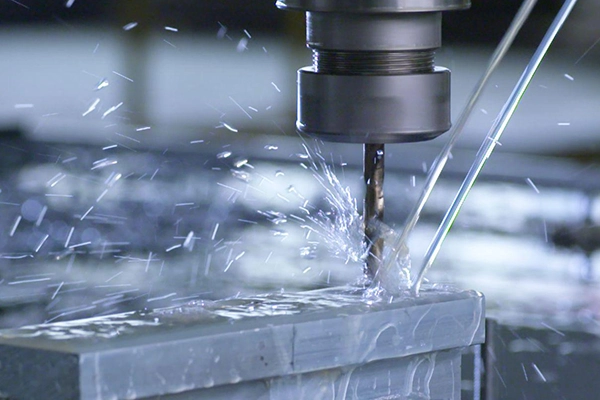
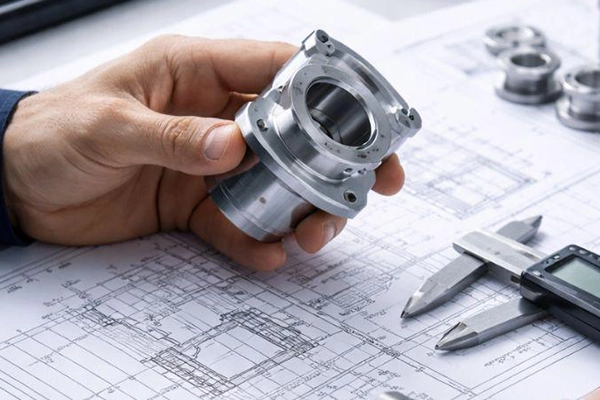
10 Proven Ways to Optimize CNC Turning Aluminum Parts for Better Performance
In modern precision manufacturing, cnc turning aluminum parts is a common way to make lightweight, high-accuracy parts for medical, electronics, car, and automation industries. Aluminum is easy to machine, but to get good quality, tight tolerances, and low cost, you need more than just fast spindle speeds—from choosing the right tools to controlling chips, every little thing matters. This guide comes from real shop experience and helps engineers and buyers make smart choices when sourcing parts and setting up processes.
CNC Turning Aluminum Parts: Process Optimization Strategies
Efficient cnc turning aluminum parts production depends on a balanced machining strategy rather than a single parameter adjustment.
Key factors include:
Cutting speed must be high but stable
Feed rate should match surface finish requirements
In real production, optimizing cnc turning aluminum parts is about consistency, not just speed.
6061 Aluminum CNC Turning: The Most Reliable Choice
6061 aluminum CNC turning is widely seen as the most reliable choice in shops. Why? Because 6061 strikes a good balance between being strong enough for use and easy to cut.
Why 6061 Works So Well
Easy to machine – It doesn’t wear down tools quickly, and you can run at decent speeds without trouble.
Low deformation during cutting – Unlike some softer alloys, 6061 stays stable. This helps hold tight tolerances without extra rework.
Good corrosion resistance – No need for special coating in many indoor or mild outdoor applications.
Strong post-processing compatibility – You can anodize it, paint it, or even weld it without losing strength.
Typical Machining Parameters
Parameter
Range
Cutting Speed
300–1000 m/min
Feed Rate
0.05–0.3 mm/rev
Depth of Cut
0.5–3 mm
For most applications, choosing 6061 simplifies the process of cnc turning aluminum parts while keeping costs predictable.
Aluminum Turning Surface Finish: What Really Matters
Achieving a consistent aluminum turning surface finish is critical for both function and appearance. A smooth finish helps parts fit better, last longer, and look good.
So what matters most? First, sharp tools. Dull tools leave marks and rough spots. Second, feed rate – going too fast makes the surface rough, too slow can cause rubbing. Third, use the right coolant. It keeps heat down and clears chips away. Also, check your spindle speed and depth of cut. Light finishing passes with high speed often give the best result.
Surface Finish Reference
Process Stage
Typical Ra
Roughing
3.2–6.3 µm
Semi-Finishing
1.6–3.2 µm
Finishing
0.4–1.6 µm
Precision Turning
≤0.8 µm
Key Practical Factors
Use sharp, polished inserts
Avoid vibration through rigid setups
Match feed rate to finishing requirements
Reliable suppliers of cnc turning aluminum parts should consistently achieve Ra ≤1.6 µm for most functional components.
Aluminum Machining Tips for Stable Production
Applying proven aluminum machining tips can significantly improve machining stability.
Practical Shop Insights
Use high rake angle tools to reduce cutting resistance
Prevent built-up edge with polished carbide inserts
These improvements help ensure repeatability in cnc turning aluminum parts, especially in volume manufacturing.
Chip Control Aluminum Turning: A Hidden Efficiency Factor
Good chip control aluminum turning is often overlooked, but it makes a big difference in how fast and smooth your work goes. If chips don’t break well, your whole job can slow down or even get ruined.
Common issues you’ll see when chip control is poor:
Long, stringy chips – These keep coming out like long wires. They don’t break off on their own and just keep getting longer.
Tool wrapping – Those long chips can wrap around the tool holder or the part itself. Once wrapped, they can snap the tool tip or stop the spindle.
Surface scratches – When chips pile up and drag across the part, they leave marks. That means bad surface finish and wasted parts.
Practical solutions from real shop work:
Use a chip breaker geometry – Most aluminum inserts come with a chip breaker. Pick one that matches your feed and depth. For turning small parts, a sharp insert with a tight chip breaker works best.
Slightly increase the feed rate – A lot of new operators run too slow. If you bump up the feed a little, chips will curl and break into small pieces instead of long strings. Try 0.006 to 0.012 inch per revolution as a start.
Optimize toolpath direction – On a CNC lathe, think about which way chips fall. Pecking or changing cut direction can help chips fall away from the part instead of wrapping around.
Why it matters: Stable chip evacuation is essential for uninterrupted CNC turning aluminum parts production. If you have to stop every few parts to pull off wrapped chips, you lose time and money. Worse, you might scrap good parts.
Aluminum Turning Speed Optimization
Optimizing aluminum turning speed is one of the fastest ways to improve efficiency.
Instead of relying on maximum speed, focus on controlled high-speed machining:
Roughing: 300–600 m/min
Finishing: 600–1000 m/min
High-speed turning aluminum: up to 1500 m/min
Excessive speed without stability can reduce quality in cnc turning aluminum parts, especially in precision applications.
Aluminum Machining Cost Reduction: What Actually Works
Effective aluminum machining cost reduction comes from process efficiency rather than price cutting. If you just ask for a cheaper quote, you often end up with rushed work or poor quality. Real savings start on the shop floor – run parts faster by using the right feed and speed, pick a reliable aluminum grade like 6061, and keep chips under control so you don’t have to stop the machine all the time. Also, try to cut down on tool changes and setup time. When each part takes less time to make and fewer parts get scrapped, your cost drops without cutting corners. That’s what really works.
Key Cost Drivers
Factor
Impact
Cycle Time
Direct cost driver
Tool Wear
Affects tooling cost
Scrap Rate
Impacts yield
Setup Time
Influences batch efficiency
Proven Strategies
Optimize cutting parameters
Reduce redundant finishing operations
Standardize materials like 6061
Improve process stability to reduce scrap
Buyers often explore aluminum machining cost reduction when evaluating suppliers.
A professional manufacturer of cnc turning aluminum parts focuses on total cost efficiency, not just unit price.
Aluminum vs Steel Machining: Key Differences Buyers Should Know
Understanding aluminum vs steel machining helps in selecting the right material for your application.
Criteria
Aluminum
Steel
Machining Speed
High
Low
Tool Wear
Low
High
Surface Finish
Easier to achieve
More difficult
Cost Efficiency
Higher
Lower
For lightweight applications, cnc turning aluminum parts offers clear advantages in both performance and cost.
High Speed Turning Aluminum: When It Makes Sense
High speed turning aluminum is ideal for high-volume production where efficiency matters. But it’s not for every job. Here’s when it actually makes sense and what you need to pull it off.
When to Use It
Large batch production – If you only need 20 parts, high speed isn’t worth the setup time. But for runs of hundreds or thousands, the time saved per part adds up fast. That’s where high speed pays off.
Simple geometries – Straight cuts, basic diameters, no deep holes or thin walls. Complex shapes with sharp corners or tight grooves don’t work well at high speeds. The tool can’t keep up, and you’ll get chatter or bad finishes.
Stable machining conditions – This means your setup is rigid, your stock is clamped tight, and your machine isn’t old or loose. If anything shakes or moves, high speed will make it worse.
What You Need
High-speed capable CNC machines – Not every lathe can handle fast spindles and quick feeds. You need a machine with good bearings, fast control, and rigid construction. Old manual lathes or basic CNC won’t cut it.
Balanced tooling systems – At high speeds, even a tiny unbalanced tool holder can cause vibration. Use balanced holders and good inserts. Skipping this leads to poor surface finish and short tool life.
Consistent material quality – Aluminum varies from batch to batch. If the material has hard spots or uneven grain, high speed turning will expose those problems fast. Stick with known grades like 6061 from reliable suppliers.
CNC Turning Lightweight Parts: Application Value
The demand for cnc turning lightweight parts continues to increase across industries.
Typical applications include:
Medical components requiring precision
Electronic housings with heat dissipation needs
Automotive sensor components
Automation equipment parts
Aluminum allows complex geometries while maintaining tight tolerances in cnc turning aluminum parts.
Tolerance Control in CNC Turning Aluminum Parts
Precision control is a key factor in supplier capability.
Typical tolerance levels:
Standard: ±0.01 mm
Precision: ±0.005 mm
High precision: ±0.002 mm
Maintaining these tolerances in cnc turning aluminum parts depends on:
Machine condition
Tool wear monitoring
Thermal control
Common Defects and How to Avoid Them
Even optimized processes can encounter issues.
Typical Problems
Built-up edge → increase cutting speed
Poor surface finish → replace worn tools
Dimensional variation → improve cooling stability
Understanding these issues improves long-term reliability in cnc turning aluminum parts production.
Choosing the Right Aluminum Part Machining Service
Selecting a reliable aluminum part machining service requires more than comparing prices.
Key Evaluation Points
Experience with aluminum alloys
Ability to maintain tight tolerances
Surface finish consistency
Engineering support capability
A strong supplier of cnc turning aluminum parts will also provide DFM suggestions to optimize your design.
Frequently Asked Questions
What is the best aluminum for CNC turning?
6061 aluminum is the most commonly used due to its excellent machinability and cost balance.
How do you improve surface finish in aluminum turning?
Use sharp tools, optimize feed rates, and maintain stable cutting conditions.
Why is aluminum easier to machine than steel?
Because of its lower hardness and better thermal conductivity, allowing higher cutting speeds.
How to reduce machining cost for aluminum parts?
Focus on cycle time reduction, tool optimization, and process stability.
What tolerance can CNC turning achieve?
Typically ±0.005 mm, depending on equipment and process control.
Get a Quote for Your CNC Turning Aluminum Parts
If you’re looking for a reliable partner for cnc turning aluminum parts, choosing an experienced manufacturer can significantly improve quality, consistency, and cost control.
We support everything from prototyping to high-volume production, with strict quality control, fast lead times, and engineering support.
Ready to start
Your next project?
Contact our technical experts today for a customized solution and a tailored quotation.
Our expert team will contact you within 24 hours
to provide a free technical evaluation and solution design, helping you upgrade your production process.
ADDRESS
NO.22,You Yi Road ,Wulian Community, LongCheng Street ,Long gang District ,Shen Zhen