12 Proven Strategies to Master CNC Turning Stainless Steel
In precision manufacturing, cnc turning stainless steel is essential for producing high-strength, corrosion-resistant components used across medical, semiconductor, automotive, and industrial systems.
Unlike aluminum, stainless steel presents unique challenges—higher cutting forces, rapid tool wear, and heat concentration. Without proper process control, these factors can quickly increase costs and reduce part quality.
This guide shares practical, shop-floor insights to help engineers and buyers better understand how to optimize machining performance and select the right supplier.
CNC Turning Stainless Steel: Process Fundamentals and Challenges
Effective cnc turning stainless steel requires a deeper understanding of material behavior compared to more machinable metals.
Stainless steel is categorized as a slow machining material, meaning:
It generates high cutting temperatures
It has strong work-hardening tendencies
It produces continuous, difficult-to-control chips
These characteristics make process stability critical in cnc turning stainless steel, especially for precision components.
304 vs 316 Turning: Material Selection Matters
Choosing between 304 vs 316 turning depends on application requirements.
Key Differences
Property
304 Stainless
316 Stainless
Corrosion Resistance
Good
Excellent
Machinability
Better
Slightly worse
Cost
Lower
Higher
Application
General use
Harsh environments
316 is preferred for corrosion resistant parts machining, while 304 is more cost-effective for general applications.
For most projects involving cnc turning stainless steel, material selection directly impacts machining difficulty and cost.
If you’ve ever machined stainless steel, you know it’s nothing like aluminum. Stainless is tough, sticky, and does things that ruin tools and scrap parts if you’re not careful. Understanding stainless steel machining difficulty is key to avoiding production issues. The main problem is that stainless gets harder the more you cut it – that’s called work hardening. It also pushes back hard on your tool, needs way more cutting force, and traps heat right at the tip of the insert. That heat doesn’t go into the chip or coolant easily. It stays on the tool edge and wears it out fast.
Main Challenges
Rapid work hardening
High cutting resistance
Heat concentration at the tool edge
Unlike aluminum, cnc turning stainless steel requires more conservative parameter control and robust tooling strategies. You can’t just run fast and light. You need steady feeds, strong inserts, and good cooling to keep things under control. That’s why many engineers refer to precision stainless machiningpractices early in development – to prevent instability before it becomes a problem.
Tool Wear Stainless Turning: How to Extend Tool Life
Managing tool wear stainless turning is one of the most critical factors in cost control. If you ignore it, you’ll keep changing tools, scrapping parts, and wasting time. Stainless is hard on tools, so you need to know what wears them out and what you can do about it.
Common Causes
Excessive cutting heat – Stainless doesn’t let go of heat. Most of it stays right at the cutting edge instead of going into the chip. That heat softens your tool tip and wears it down fast. You can see it as little cracks or a rounded edge.
Incorrect tool material – Not every insert works for stainless. If you use a grade meant for aluminum or soft steel, it will dull in minutes. Stainless needs tougher stuff like coated carbide or ceramic. Picking the wrong tool material is a fast way to burn through your tool budget.
Inconsistent feed rates – If your feed rate jumps around or you go too light, the tool rubs instead of cuts. Rubbing makes heat and work hardening worse. Once the surface hardens, your tool has to cut through something even tougher. That kills tool life quickly.
Practical Solutions
Use coated carbide or ceramic tools – For stainless, coatings like TiAlN or AlTiN help a lot. They handle the heat better than plain carbide. Ceramic tools work too, but only at high speeds and with very rigid setups. For most shops, a good coated carbide insert is the best bet.
Maintain steady feed to avoid work hardening – Don’t let the tool rub. Keep the feed high enough so it takes a real cut. A good rule is to never go below 0.005 inch per revolution. If you see shiny, burnished spots on the cut surface, that’s work hardening – and your tool is suffering.
Replace tools before catastrophic failure – Don’t run an insert until it blows up. When the finish gets rough or the tool starts squealing, change it. A worn tool can break mid-cut, ruin the part, and maybe damage your machine. It’s cheaper to swap inserts early than to fix a broken holder or scrap an expensive part.
Burr Control Stainless Steel: Achieving Clean Edges
Effective burr control stainless steel is essential for precision parts. Burrs are those little rough edges left after cutting or turning. On stainless steel, burrs can be tough and sharp. If you don’t remove them, they can cause assembly problems, cut someone’s finger, or make the part fail early. Good burr control starts with the right cutting parameters – sharp tools, steady feed, and a light finishing pass. Sometimes you also need a quick deburr step after machining. Getting clean edges saves time on rework and keeps your parts safe to handle.
Why Burrs Occur
Material toughness
Plastic deformation at cutting edges
Improper cutting parameters
How to Reduce Burr Formation
Optimize tool sharpness
Adjust cutting speed and feed
Use secondary deburring processes if needed
In high-precision cnc turning stainless steel, minimizing burrs reduces post-processing time and improves product quality.
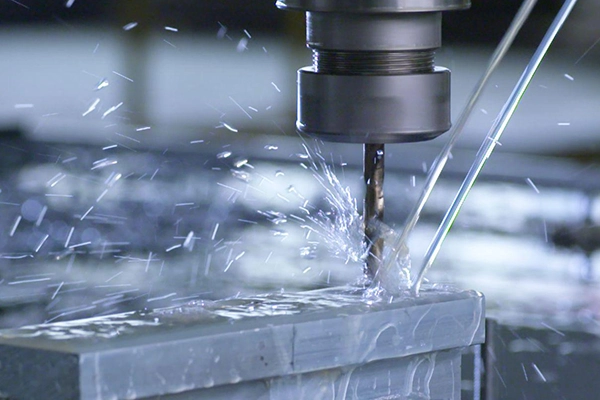
Heat management is critical in coolant strategies turning for stainless steel. Stainless holds onto heat more than aluminum does. If you don’t cool the cut well, the tool tip gets hot fast and wears out quickly. The right coolant flow helps carry heat away, reduces friction, and stops chips from sticking to the tool. Use plenty of coolant aimed right at the cutting edge. Flood coolant works best for most stainless turning jobs. Getting this right keeps your tools sharper and your parts more consistent.
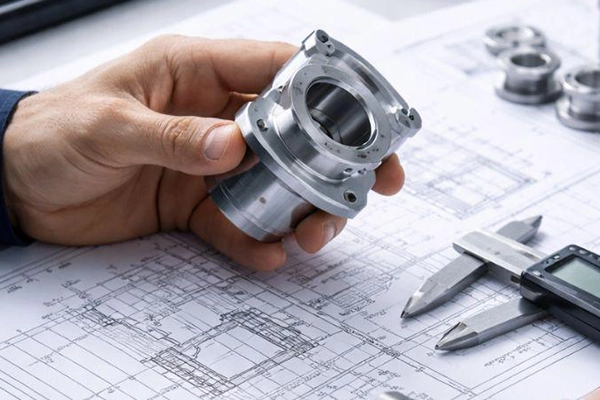
High-level precision stainless machining requires strict process control. Stainless steel moves and warps more than aluminum, and it work-hardens fast. To hold tight tolerances, use a rigid setup, sharp tools, and steady feeds. Don’t take big cuts – use light passes instead. Watch tool wear – a dull tool will throw off your dimensions. Let the part cool before measuring. Heat will fool your readings. Go slow, stay steady, and check sizes often. That’s how you hit tight numbers on stainless parts.
Typical Tolerance Capability
Level
Tolerance
Standard
±0.01 mm
Precision
±0.005 mm
High Precision
±0.002 mm
Maintaining tight tolerances in cnc turning stainless steel depends on machine rigidity, thermal stability, and tool condition.
Corrosion Resistant Parts Machining: Industry Applications
Corrosion resistant parts machining is critical across many industries. Parts must stand up to water, chemicals, or salty air. Medical, electronics, auto, and automation all need rust-free parts. Machining usually uses stainless steel or titanium. Getting the finish and material right helps parts last longer. That’s why engineers focus on corrosion resistance from the start.
Typical Applications
Industry
Component Type
Medical
Surgical instruments
Semiconductor
Fluid system parts
Automotive
Sensor housings
Automation
Precision shafts
These applications rely heavily on cnc turning stainless steel for durability and long-term performance.
CNC Turning Stainless Parts: Production Considerations
Producing cnc turning stainless parts at scale requires careful planning. Stainless cuts slower than aluminum and wears out tools faster. You need strong inserts, steady feeds, and good cooling. Watch out for work hardening and heat. Set up reliable chip control and plan for regular tool changes. Get these basics right, and you can run long production jobs without constant stops or scrap parts.
Key Considerations
Stable process parameters
Reliable tooling supply
Consistent material quality
Controlled production environment
Many buyers evaluate suppliers based on their experience with cnc turning stainless parts to ensure production reliability.
A capable supplier ensures repeatability in cnc turning stainless steel across batches.
Cost Control in CNC Turning Stainless Steel
Cost management is often the biggest challenge. Stainless steel takes longer to cut and wears out tools faster than aluminum. That means more machine time and more insert changes, both of which drive up your cost per part. To keep costs under control, pick the right tool grade, run steady feeds, and avoid rubbing. Also, reduce scrap by managing heat and work hardening. Small savings on each part add up fast over a large run.
Key Cost Drivers
Factor
Impact
Tool Wear
High tooling cost
Cycle Time
Direct cost
Scrap Rate
Material waste
Setup Time
Efficiency loss
Cost Reduction Strategies
Optimize cutting parameters
Improve tool life
Reduce unnecessary finishing steps
Increase process stability
Effective cost control ensures competitive pricing for cnc turning stainless steel without sacrificing quality.
Frequently Asked Questions (PAA)
Why is stainless steel difficult to machine?
Because of its work hardening properties and heat concentration, which increase cutting resistance and tool wear.
What is the best tool for stainless steel turning?
Coated carbide tools are most commonly used due to their balance of toughness and wear resistance.
How do you reduce tool wear in stainless steel?
Maintain consistent feed rates, use proper coolant, and avoid excessive cutting temperatures.
What tolerance can be achieved in stainless steel turning?
Typically ±0.005 mm, depending on machine capability and process control.
Is 316 harder to machine than 304?
Yes, due to its higher toughness and corrosion resistance, which increase cutting difficulty.
Get a Quote for Your CNC Turning Stainless Steel Projects
If you’re sourcing high-quality cnc turning stainless steel, working with an experienced manufacturer ensures better process control, longer tool life, and consistent part quality.
We support everything from prototyping to high-volume production with strict quality standards and engineering support.
Ready to start
Your next project?
Contact our technical experts today for a customized solution and a tailored quotation.
Our expert team will contact you within 24 hours
to provide a free technical evaluation and solution design, helping you upgrade your production process.
ADDRESS
NO.22,You Yi Road ,Wulian Community, LongCheng Street ,Long gang District ,Shen Zhen