Simultaneous 5-Axis CNC Machining for Complex Parts: Cost, Precision, and Real Manufacturing Decisions
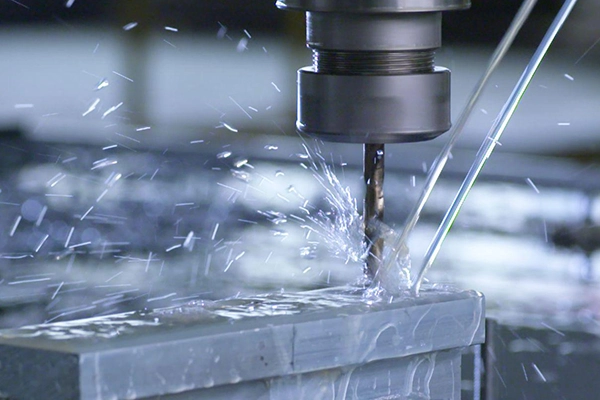
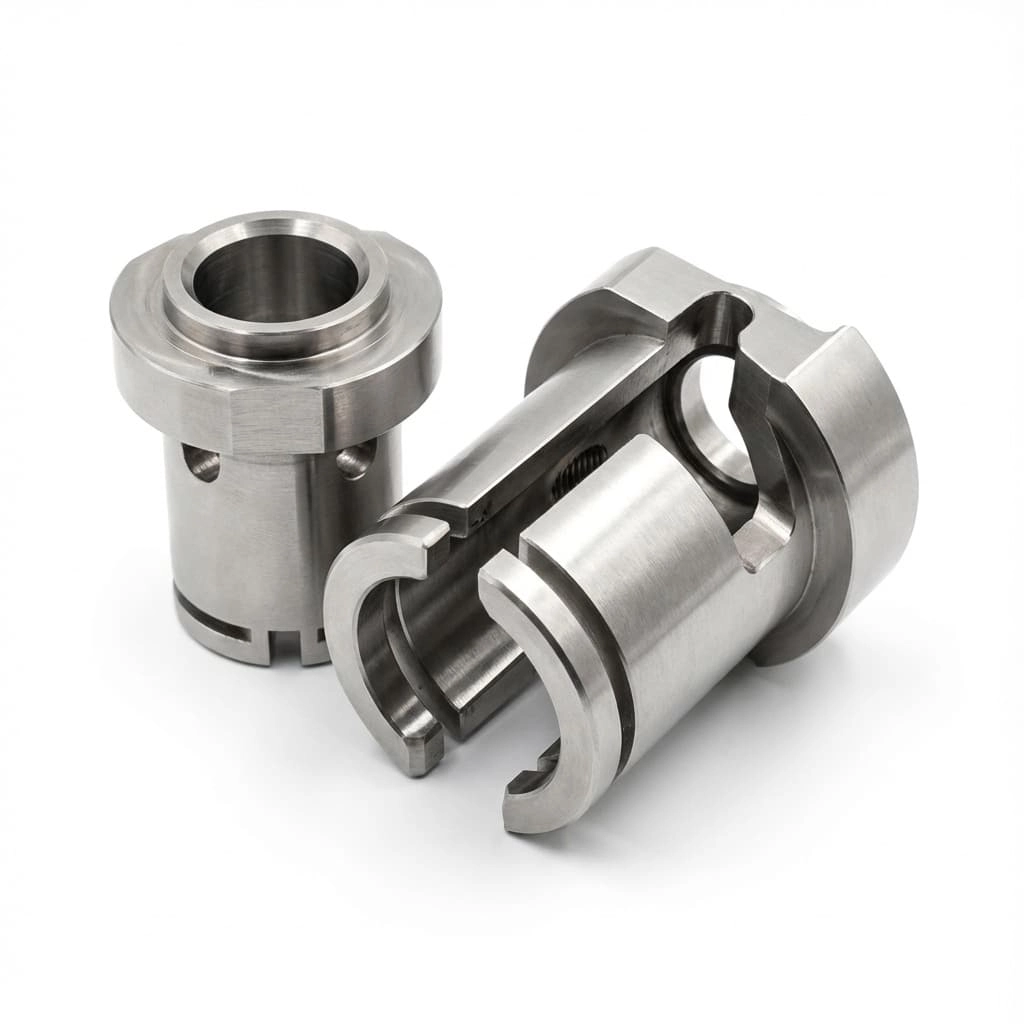
Simultaneous 5-axis CNC machining is widely used to produce ultra-precise 5-axis machining parts with complex geometries, especially when traditional multi-setup machining can no longer meet tolerance, efficiency, and surface quality requirements.
Cost Breakdown: Where Simultaneous 5-Axis CNC Machining Saves Money
In real production, cost is not determined by machine hourly rate alone. It’s driven by the total manufacturing cycle, including setup time, fixture complexity, scrap risk, and operator intervention. Shops that rely on multiple setups often underestimate how much time is lost in alignment, probing, and rework. Simultaneous 5-axis CNC machining reduces these hidden costs by enabling single-setup machining and minimizing repositioning errors.
Precision Control Strategy in High-Precision 5-Axis CNC Machining
Precision in high-precision 5-axis CNC machining is achieved through continuous tool engagement and stable cutting conditions rather than relying purely on machine specifications. When the tool angle constantly adjusts to the surface, cutting forces remain consistent, which reduces vibration and tool deflection. This is particularly important for thin walls, curved surfaces, and tight tolerance features where even small instability can cause dimensional deviation.
Complex Geometry Capability in CNC Machining Complex Parts
In complex CNC machining, geometry is often the primary limitation rather than material or machine power. Traditional machining requires repositioning to reach different surfaces, which introduces alignment errors and increases cycle time. Simultaneous 5-axis CNC machining allows continuous access to difficult angles, enabling smoother toolpaths and eliminating the need for secondary operations.
Geometry Capability Comparison
Feature Type
3-Axis
Indexed 5-Axis
Simultaneous 5-Axis CNC Machining
Deep Cavities
Limited
Moderate
Excellent
Undercuts
Not possible
Partial
Fully capable
Freeform Surfaces
Poor
Moderate
Excellent
Thin Walls
Risky
Improved
Stable
Multi-Angle Surfaces
Multiple setups
Fewer setups
One setup
Tooling Strategy in Advanced 5-Axis CNC Machining
Tooling plays a much more critical role in advanced 5-axis CNC machining because tool orientation directly affects cutting stability. With better approach angles, engineers can use shorter tools, which significantly improves rigidity and reduces vibration. This is one of the most overlooked advantages when transitioning from traditional machining to simultaneous 5-axis CNC machining.
Tooling Impact Comparison
Factor
Poor Strategy
Optimized 5-Axis Strategy
Tool Length
Long
Short
Tool Wear
High
Controlled
Vibration
Frequent
Minimal
Surface Finish
Inconsistent
Stable
Cycle Time
Longer
Reduced
Industry Applications and Real Manufacturing Needs
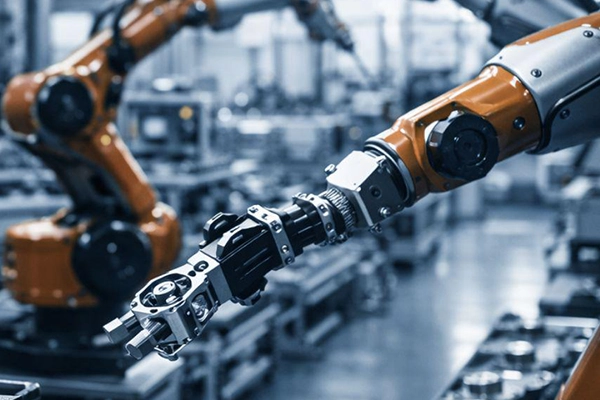
Different industries adopt simultaneous 5-axis CNC machining for different reasons, but the core requirement is always consistent precision and reduced process variation. Whether it’s surface finish in medical parts or dimensional stability in semiconductor components, the ability to control the entire machining process in one setup significantly improves reliability.
Application Requirement Mapping
Industry
Key Requirement
Why 5-Axis Matters
Medical
Smooth surfaces
Reduces post-processing
Semiconductor
Micro precision
Improves consistency
Consumer Electronics
Thin walls
Prevents deformation
Automotive
Strength + weight
Enables optimized design
Automation
Multi-face machining
Reduces assembly error
Material Selection Strategy for 5-Axis CNC Machining
Material selection directly affects machining efficiency, tool life, and surface quality. In simultaneous 5-axis CNC machining, cutting dynamics change depending on material behavior, especially when machining at multiple angles. Softer materials allow higher speeds, while harder materials require more stable and controlled cutting conditions to avoid excessive tool wear.
Material Decision Table
Material
Machinability
Strategy
Application
Aluminum
Excellent
High-speed
Electronics
Stainless Steel
Moderate
Stable cutting
Medical
Titanium
Difficult
Rigid setup
Automotive
PEEK
Sensitive
Low heat
Semiconductor
Tool Steel
Hard
Wear control
Automation
Decision logic:
Lightweight → Aluminum
Corrosion resistance → Stainless steel
Strength → Titanium
Stability → PEEK
Common Mistakes in Complex CNC Machining
Many production issues in simultaneous 5-axis CNC machining are not caused by machines, but by process decisions. Overcomplicated toolpaths, poor workholding, and lack of simulation can quickly increase cycle time and scrap rates. These problems are often preventable with proper planning and engineering validation before machining begins.
Common Errors
Mistake
Result
Complex toolpaths
Longer cycle time
Poor fixturing
Instability
No simulation
Collision risk
Wrong tools
Surface defects
Ignoring heat
Dimensional drift
Process Optimization in Simultaneous 5-Axis CNC Machining
Optimization is about maintaining consistency across the entire machining cycle rather than pushing maximum speed. Stable chip load, controlled tool engagement, and proper simulation are key to achieving repeatable results. In high-precision environments, even small improvements in stability can significantly impact final quality.
Optimization Checklist
Area
Action
Toolpath
Adaptive strategy
Tool Length
Minimize
Parameters
Stable chip load
Simulation
Mandatory
Cooling
Thermal control
For manufacturers offering 5-axis CNC machining services process consistency is often the biggest competitive advantage.
Early collaboration through precision CNC machining services also helps simplify complex designs before production.
When Simultaneous 5-Axis CNC Machining Is Not Necessary
Not every part benefits from simultaneous 5-axis CNC machining. For simple geometries or high-volume production, simpler machining methods can be more cost-effective. The key is matching the machining strategy to the actual complexity of the part rather than overusing advanced technology.
Selection Decision Table
Scenario
Best Choice
Simple parts
3-Axis CNC
Medium complexity
Indexed 5-Axis
Complex + tight tolerance
Simultaneous 5-Axis CNC Machining
Supplier Selection: What Buyers Should Evaluate
Choosing the right supplier involves more than checking equipment lists. Real capability comes from experience, engineering support, and process control. A qualified supplier should be able to identify risks, suggest improvements, and ensure consistent quality across batches.
Buyer Evaluation Table
Criteria
Focus
Experience
Complex parts
Equipment
True 5-axis
Engineering
DFM support
Quality
Inspection system
Communication
Fast response
PAA
Is simultaneous 5-axis CNC machining more accurate?
Yes, it reduces repositioning errors and maintains consistent tool orientation, improving both accuracy and surface finish.
What parts require simultaneous 5-axis CNC machining?
Parts with complex geometries, curved surfaces, or tight tolerances typically require it.
Is 5-axis CNC machining expensive?
It has a higher hourly rate but often lowers total production cost for complex parts.
Which industries use high-precision 5-axis CNC machining?
Medical, semiconductor, electronics, automotive, and automation industries.
Final Thoughts
Simultaneous 5-axis CNC machining is not just an advanced capability—it’s a practical solution for reducing production complexity. When applied correctly, it improves consistency, lowers risk, and enables designs that would otherwise require multiple processes.
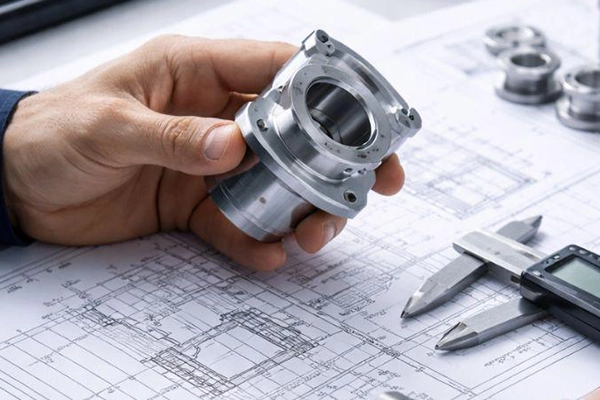
If you are working on complex CNC machining parts or ultra-precise 5-axis machining parts, sharing your drawings early allows for a more accurate process evaluation and quotation.
Ready to start
Your next project?
Contact our technical experts today for a customized solution and a tailored quotation.
Our expert team will contact you within 24 hours
to provide a free technical evaluation and solution design, helping you upgrade your production process.
ADDRESS
NO.22,You Yi Road ,Wulian Community, LongCheng Street ,Long gang District ,Shen Zhen