7 Proven CNC Turning Aluminum Strategies to Improve Precision and Reduce Manufacturing Cost
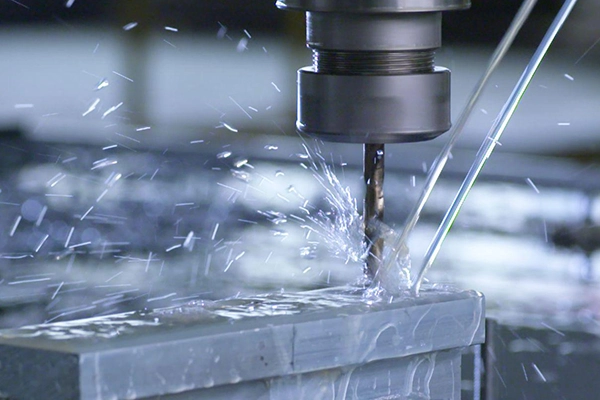
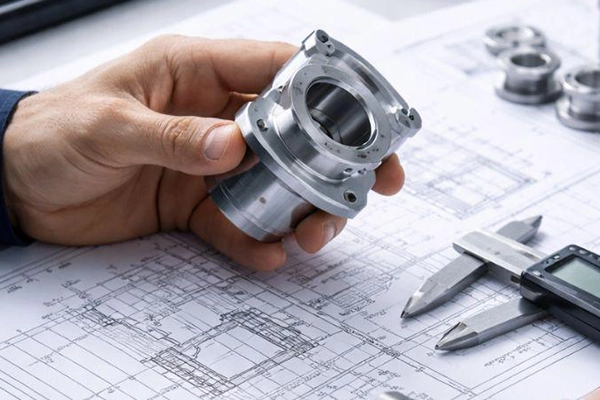
CNC Turning Aluminum is widely used to manufacture lightweight and high-precision components for electronic heat sinks, automation equipment, new energy systems, and medical devices.
Compared with steel and titanium, aluminum offers excellent machinability, lower cutting forces, faster cycle times, and a superior strength-to-weight ratio. These advantages make it one of the most cost-effective materials for both prototyping and production manufacturing.
However, not all aluminum grades machine the same way. Material selection, cutting parameters, tolerance requirements, and surface finishing decisions all influence part quality and overall manufacturing cost.
This engineering guide explains how experienced engineers evaluate aluminum alloys, optimize machining performance, control tolerances, and reduce production risk when designing custom machined components.
Which Aluminum Alloy Is Best for CNC Turning Aluminum?
Choosing the correct alloy is often the most important decision in any aluminum machining project.
Many engineers focus primarily on strength. In practice, the best material should balance mechanical performance, machinability, corrosion resistance, surface finish quality, and manufacturing cost.
Why 6061-T6 Is the Preferred Choice for Most Applications
Among all grades used in aluminum machining, cnc 6061 aluminum remains the most common choice because it provides an excellent balance of strength, corrosion resistance, and production efficiency.
Excellent Machinability Improves Production Efficiency
6061 produces stable chips and relatively low cutting forces during machining. This allows higher spindle speeds and feed rates while maintaining dimensional consistency. For many machining aluminum parts projects, cycle times can be significantly shorter than those associated with harder aerospace alloys.
Consistent Surface Finish Quality
Because of its balanced chemical composition, 6061 typically produces smoother machined surfaces and more consistent anodized finishes than many high-strength alloys.
Global Availability Reduces Supply Risk
6061 is widely available worldwide. Material costs are generally lower and lead times are often shorter than specialty grades.
When Should Engineers Choose 7075 Instead of 6061?
Although 7075 is significantly stronger than 6061, higher strength does not automatically create a better design.
7075 becomes a practical choice when:
Weight reduction is critical
Structural loading is high
Fatigue resistance is important
For most industrial equipment, automation systems, and electronic assemblies, 6061 typically delivers a better balance between performance and cost.
Aluminum Alloy Comparison Table
Alloy
Machinability
Strength
Corrosion Resistance
Typical Applications
6061-T6
Excellent
High
Excellent
Automation, electronics
7075-T6
Good
Very High
Good
Aerospace
2024-T4
Good
High
Moderate
Aircraft structures
5052-H32
Fair
Medium
Excellent
Fabricated assemblies
6082-T6
Excellent
High
Excellent
Industrial machinery
Why Do Some Aluminum Parts Produce Excellent Surface Finish While Others Do Not?
Poor surface finish is rarely caused by machine accuracy alone.
In many cases, machining problems originate from chip formation, tool geometry, cutting speed, or coolant strategy.
Understanding these factors helps engineers improve both appearance and dimensional consistency.
What Causes Built-Up Edge During Aluminum Turning?
One of the most common challenges in aluminum turning is built-up edge formation.
This occurs when aluminum adheres to the cutting edge during machining.
The result may include:
Increased surface roughness
Poor dimensional consistency
Unstable tool life
Excessive burr formation
Built-up edge is particularly common when cutting speeds are too low or tooling geometry is not optimized.
Which Tool Geometry Delivers Better Results?
Successful turning aluminum on a lathe typically requires:
Polished carbide inserts
Positive rake geometry
Sharp cutting edges
Efficient chip-flow design
Why Positive Rake Inserts Improve Surface Quality
Positive rake inserts reduce cutting forces and improve chip evacuation.
This is especially important when machining thin-wall components where excessive cutting force may cause distortion.
Recommended Cutting Parameters
Operation
Cutting Speed (m/min)
Feed Rate (mm/rev)
Depth of Cut (mm)
Rough Turning
300–800
0.15–0.40
1–5
Semi-Finishing
500–1200
0.08–0.25
0.5–2
Finishing
800–2000
0.03–0.15
0.1–0.5
For components requiring milled features, pockets, or secondary operations, engineers often evaluate multi-axis machining solutions for complex aluminum components to reduce setup time and improve positional accuracy.
Why Do Some Aluminum Turned Parts Fail to Hold Tight Tolerances?
Achieving precision is not simply a matter of using a high-end machine tool.
Tolerance stability depends on material behavior, thermal control, tooling condition, fixturing strategy, and inspection methods.
Thermal Expansion Is Often Overlooked
Aluminum expands nearly twice as much as steel under temperature changes.
Even small temperature variations may affect critical dimensions during high-precision production.
For this reason, environmental control becomes increasingly important when tolerance requirements approach ±0.01 mm.
Tool Wear Causes Gradual Dimensional Drift
Unlike sudden tool failure, wear typically causes dimensions to drift slowly over time.
Without in-process inspection and compensation, parts may gradually move outside specification limits.
Residual Material Stress Can Distort Thin-Wall Parts
Residual stress stored within aluminum stock may be released during machining.
This is especially common in:
Thin-wall structures
Large-diameter components
High material-removal applications
Engineers should consider staged roughing and finishing operations to improve dimensional stability.
Precision Capability Reference
Manufacturing Level
Typical Tolerance
General Production
±0.05 mm
Precision Production
±0.01 mm
High-Precision Production
±0.005 mm
When defining functional dimensions, engineers can reference ourprecision machining tolerance standardsand fit selection guidelines to avoid unnecessary manufacturing cost.
H2: Which Surface Finish Provides the Best Balance Between Cost and Performance?
Surface treatment affects more than appearance.
The correct finish can improve corrosion resistance, wear performance, and product longevity.
The wrong finish can add cost without delivering meaningful functional value.
H3: When Standard Anodizing Is the Best Choice
Standard anodizing is commonly used for:
Electronic enclosures
Automation equipment
Consumer products
Lightweight structural components
Benefits include improved corrosion resistance, enhanced appearance, and moderate processing cost.
When Hard Anodizing Is Worth the Additional Investment
Hard anodizing becomes beneficial when components experience:
Sliding contact
Abrasive wear
Frequent mechanical movement
Long service-life requirements
Examples include pneumatic components, wear surfaces, and motion system assemblies.
PAA – Frequently Asked Questions About CNC Turning Aluminum
What is CNC turning Aluminum?
CNC turning Aluminum is a subtractive manufacturing process in which rotating aluminum stock is machined using stationary cutting tools to create precise cylindrical components.
What is the best aluminum alloy for machining?
For most industrial applications, 6061-T6 provides the best balance of machinability, strength, corrosion resistance, and cost.
Why is aluminum easier to machine than steel?
Aluminum requires lower cutting forces, dissipates heat efficiently, and supports higher cutting speeds, resulting in shorter cycle times.
What tolerance can CNC turning Aluminum achieve?
Typical precision machining achieves ±0.01 mm, while carefully controlled processes can achieve ≤0.005 mm on critical dimensions.
Does anodizing affect dimensions?
Yes. Anodizing creates a surface oxide layer that can influence critical dimensions and should be considered during design.
How can engineers reduce machining cost?
Optimizing tolerances, simplifying geometry, selecting suitable alloys, and minimizing unnecessary secondary operations are among the most effective cost-reduction strategies.
Request an Engineering Review for Your Aluminum Components
Whether you are developing prototypes, optimizing an existing design, or preparing for volume production, manufacturability analysis can significantly reduce risk, shorten lead times, and improve overall project performance.
Send your drawings, CAD models, material specifications, and tolerance requirements for an engineering review. Yueyi Precision supports custom aluminum turned parts, precision aluminum machining, prototype development, and production manufacturing with achievable tolerances down to ≤0.005 mm on critical features.
Ready to start
Your next project?
Contact our technical experts today for a customized solution and a tailored quotation.
Our expert team will contact you within 24 hours
to provide a free technical evaluation and solution design, helping you upgrade your production process.
ADDRESS
NO.22,You Yi Road ,Wulian Community, LongCheng Street ,Long gang District ,Shen Zhen