Costly Milling Aluminium Mistakes: An Engineering Guide to Reducing Scrap and Improving CNC Accuracy
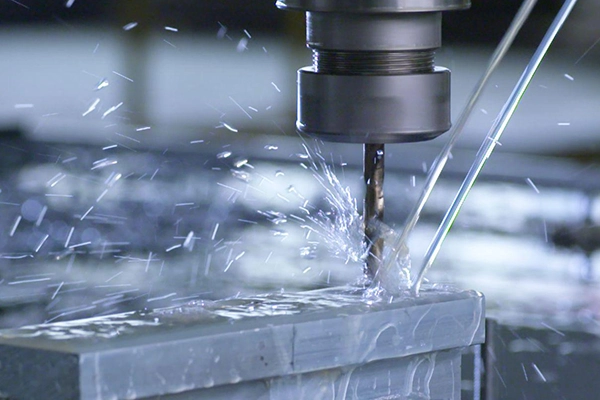
Milling aluminium is widely regarded as one of the most efficient CNC machining processes, yet it is also one of the easiest to underestimate. Many production issues—including burr formation, dimensional variation, chatter, and excessive scrap—are not caused by the material itself but by poor process planning. Incorrect tooling, unstable workholding, unsuitable cutting parameters, and inadequate chip evacuation can quickly turn a cost-effective project into an expensive production problem.
For manufacturers producing automation equipment, consumer electronics, communication systems, automotive components, or LED structural assemblies, preventing these issues begins long before the first part is machined. A well-designed machining strategy improves quality, shortens lead times, and reduces the total cost of production.
Companies that work with experienced providers of CNC machining servicesoften identify manufacturability risks during engineering review, avoiding unnecessary rework after production begins.
Why Milling Aluminium Requires More Than High-Speed Cutting
Aluminum alloys are known for their excellent machinability, but producing precision components consistently is far more challenging than simply running a machine at higher spindle speeds. Stable production depends on maintaining the right balance between tooling, machining parameters, fixture rigidity, and inspection.
Many quality problems appear gradually rather than immediately. A cutting tool that performs well during the first production batch may begin generating burrs or dimensional variation after extended use. Likewise, chips trapped inside deep pockets can damage surface finish if they are repeatedly cut instead of being evacuated efficiently.
The most common production defects include:
Burr formation around edges and holes
Surface chatter caused by vibration
Built-up edge on cutting tools
Thin-wall deformation
Poor flatness
Inconsistent dimensional accuracy
Rather than treating each defect separately, experienced manufacturing engineers analyze the complete machining process to identify the root cause before adjusting cutting parameters.
Common Causes of Scrap During Aluminium Milling
Production Issue
Primary Cause
Recommended Solution
Excessive burrs
Worn tooling or incorrect feed
Replace tools on schedule and optimize cutting parameters
Surface chatter
Weak fixturing or excessive tool overhang
Improve fixture rigidity and reduce tool length
Dimensional variation
Tool wear or thermal growth
Monitor critical dimensions during production
Poor surface finish
Chip recutting
Improve chip evacuation with coolant or air blast
Best Practices for Machining Aluminium Without Increasing Scrap
Many manufacturers attempt to improve productivity by increasing feed rates or reducing machining time. While this approach may shorten individual cycles, it often leads to higher tooling costs and inconsistent quality.
Successful machining aluminium requires a process that remains stable throughout the entire production run. Consistency is far more valuable than achieving the shortest possible cycle time.
Several engineering practices significantly improve machining performance:
Select cutting tools specifically designed for aluminum alloys.
Separate roughing and finishing operations.
Maintain effective chip evacuation throughout machining.
Replace tools before excessive wear develops.
Verify fixture repeatability before each production batch.
Inspect critical dimensions at scheduled intervals.
A common mistake is removing all material in one aggressive operation. This may introduce residual stress that causes thin walls to deform after machining. Leaving a small amount of stock for a final finishing pass allows the workpiece to stabilize before achieving the required dimensions.
For precision industrial components, professionalCNC milling servicestypically combine optimized CAM programming, rigid workholding, and systematic inspection to ensure repeatable production quality.
Understanding Machining of Aluminium Alloys for Better Process Control
Different aluminum alloys behave differently during machining, even when identical CNC programs are used. Material hardness, ductility, and chip formation directly influence cutting performance, tool wear, and surface quality.
6061 remains one of the most versatile machining alloys because it balances strength, corrosion resistance, and machinability. By contrast, 5052 is softer and more ductile, making burr control more challenging. Although 7075 offers excellent strength, it requires careful optimization of cutting parameters to maintain tool life during extended production.
Selecting the correct alloy should therefore be considered an engineering decision rather than simply choosing the lowest material cost.
Production engineers should also remember that machining parameters developed for one alloy should never be transferred directly to another without validation. Small adjustments to spindle speed, feed rate, or cutter geometry often produce significant improvements in surface finish and dimensional consistency.
How Aluminium Milling Improves Long-Term Manufacturing Efficiency
The true objective of aluminium milling is not simply to remove material efficiently—it is to establish a repeatable manufacturing process capable of delivering consistent quality over hundreds or thousands of components.
Manufacturers that consistently achieve low scrap rates typically focus on process stability instead of maximum cutting speed. Their production strategies emphasize:
Standardized machining procedures.
Controlled tool life management.
Stable fixture design.
Scheduled in-process inspection.
Continuous process improvement based on production data.
This approach reduces unexpected downtime, minimizes dimensional variation, and lowers the overall cost of ownership throughout the product lifecycle.
Instead of reacting to defects after production, experienced manufacturers build quality into the machining process from the very beginning.
Optimizing Aluminum Machining CNC for Complex Components
As part geometry becomes more complex, maintaining dimensional accuracy becomes increasingly difficult. Deep cavities, thin walls, and multiple machining faces place greater demands on tooling, fixturing, and machining strategy.
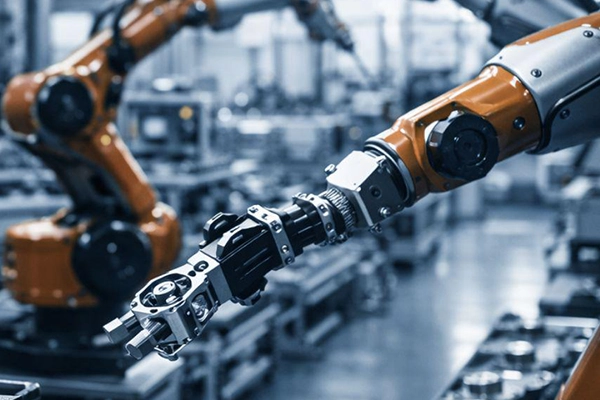
For these applications, advanced 5-axis CNC machining can improve both accuracy and efficiency by reducing the number of setups. Fewer setups mean fewer opportunities for positioning errors, shorter overall machining time, and better consistency between production batches.
An optimized aluminum machining CNC process generally includes:
Adaptive roughing to maintain constant cutter engagement.
Short, rigid cutting tools to minimize vibration.
Optimized tool entry and exit paths.
Efficient chip evacuation throughout the machining cycle.
Scheduled tool replacement based on wear data rather than tool failure.
In-process inspection of critical dimensions.
Rather than pushing machines to their maximum cutting speed, experienced manufacturers focus on process repeatability. A stable machining process consistently delivers higher production yields and lower overall manufacturing costs.
Selecting the Right Aluminium Machining Partner
Choosing a machining supplier involves much more than comparing quotations. The right manufacturing partner contributes engineering expertise that helps prevent production issues before machining even begins.
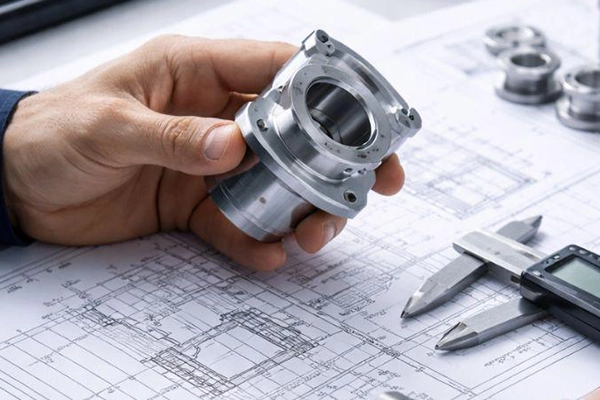
Professional aluminum CNC machining suppliers typically review drawings to identify features that may increase machining difficulty, extend cycle times, or create unnecessary quality risks.
When evaluating a supplier, procurement teams should consider:
Evaluation Factor
Why It Matters
Engineering support
Improves manufacturability before production
Experience with aluminum alloys
Optimizes tooling and machining strategy
Precision inspection capability
Verifies critical dimensions consistently
Standardized production procedures
Ensures repeatability across production batches
Technical communication
Speeds up problem solving and engineering changes
A supplier that understands manufacturing from an engineering perspective often helps reduce total production costs, even if the quoted unit price is not the lowest.
When Aluminium for CNC Is the Best Material Choice
Aluminum remains one of the most widely used engineering materials because it offers an excellent balance of machinability, strength, corrosion resistance, and weight reduction.
Selecting aluminium for CNC is particularly beneficial for:
Automation equipment
Consumer electronics
Communication equipment
Automotive components
LED structural assemblies
However, choosing the correct alloy is only the first step. Successful production also depends on matching tooling, machining parameters, and inspection methods to the material’s characteristics. Considering these factors together leads to better dimensional stability, improved surface finish, and lower scrap rates throughout production.
Frequently Asked Questions
Is milling aluminium easier than machining steel?
Generally, yes. Aluminum produces lower cutting forces and allows higher machining speeds than many steels. However, maintaining consistent quality still requires proper tooling, stable fixturing, and effective chip evacuation.
Which aluminum alloy is easiest to machine?
6061 is widely regarded as the best all-around machining alloy because it combines excellent machinability, mechanical strength, and corrosion resistance.
How can burr formation be minimized?
Using sharp aluminum-specific cutting tools, optimizing cutting parameters, maintaining proper chip evacuation, and replacing worn tools before excessive wear develops are the most effective methods.
When should 5-axis machining be considered?
It is recommended for components with multiple machining faces, complex geometries, or features that would otherwise require several setups. Reducing setups improves both efficiency and positional accuracy.
Why do dimensions change during long production runs?
Common causes include gradual tool wear, machine thermal growth, fixture movement, and inconsistent material batches. Regular in-process inspection helps detect these changes before they affect production quality.
What should buyers look for in a CNC machining supplier?
Beyond price, buyers should evaluate engineering capability, quality inspection systems, process consistency, technical communication, and experience machining precision aluminum components.
Ready to Improve Your Aluminum Machining Project?
Successful milling aluminium is built on engineering discipline rather than machining speed alone. Selecting the appropriate alloy, optimizing cutting parameters, using stable workholding, and implementing systematic quality control all contribute to lower scrap rates and more consistent production.
At Yueyi Precision, we help OEMs manufacture precision aluminum components for automation equipment, consumer electronics, communication systems, automotive applications, and LED structural assemblies. From prototype development to high-volume production, our engineering team reviews every project to optimize manufacturability, improve production efficiency, and ensure consistent quality.
Send us your drawings today to receive an engineering review and a competitive quotation for your next precision aluminum machining project.
Ready to start
Your next project?
Contact our technical experts today for a customized solution and a tailored quotation.
Our expert team will contact you within 24 hours
to provide a free technical evaluation and solution design, helping you upgrade your production process.
ADDRESS
NO.22,You Yi Road ,Wulian Community, LongCheng Street ,Long gang District ,Shen Zhen