High-Performance Precision Extrusions: How CNC Machining Turns Aluminum Profiles Into Assembly-Ready Parts
Precision extrusions are no longer treated as simple aluminum shapes cut to length. In many industrial programs, they become functional components after drilling, milling, tapping, slotting, and surface control. That is why engineers sourcing aluminum profile parts usually evaluate precision extrusions and downstream machining as one manufacturing system, not two separate processes.
For automation frames, electronics housings, mounting rails, structural supports, and thermal assemblies, the real value of precision extrusions comes from one point: the extrusion profile and the CNC process must work together. A profile may look correct on a drawing, but if hole location, end squareness, slot depth, burr control, and assembly datums are not managed after extrusion, the part can still fail during fitting or final assembly.
Why Precision Extrusions Work Better Than Standard Profiles in Complex Assemblies
Standard aluminum shapes are useful when a design can accept common channels, bars, tubes, or angles. But many OEM parts cannot. They need integrated grooves, mounting faces, cable paths, support ribs, enclosure edges, or profile geometry that reduces part count. This is where profile precision extrusions provide a clear advantage.
Instead of machining a long component entirely from billet, engineers can build much of the geometry directly into the extrusion. CNC operations then add the local functional features that the assembly actually needs. This hybrid route usually lowers material waste, shortens machining time, and improves repeatability for medium- to high-volume programs.
For projects that are still deciding between section complexity, alloy selection, and manufacturing route, a useful starting point is our custom aluminum extrusion manufacturer capability page:
How Aluminum Extrusion Machining Creates Functional Parts
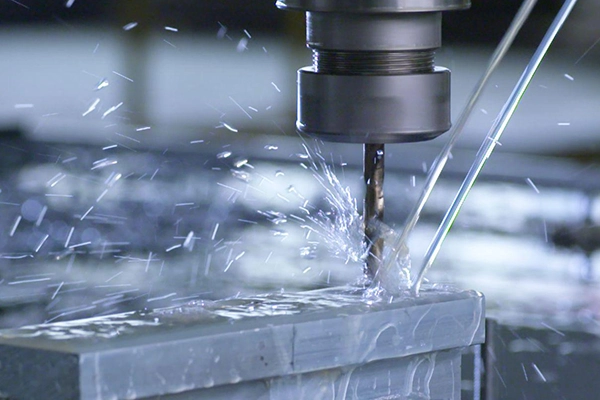
Many buyers search for aluminum extrusion machining when what they really need is a finished aluminum component rather than a raw profile. Extrusion creates the cross-section. CNC creates the final interfaces. Both stages must be planned together if the part is expected to fit, seal, fasten, or align correctly in a real product.
Typical post-extrusion operations include:
cut-to-length sawing with end control
face milling for squareness and flatness
drilling and reaming for assembly holes
tapping for threaded fastening points
slot milling for brackets, covers, or cable paths
pocketing and local relief features
deburring before anodizing or coating
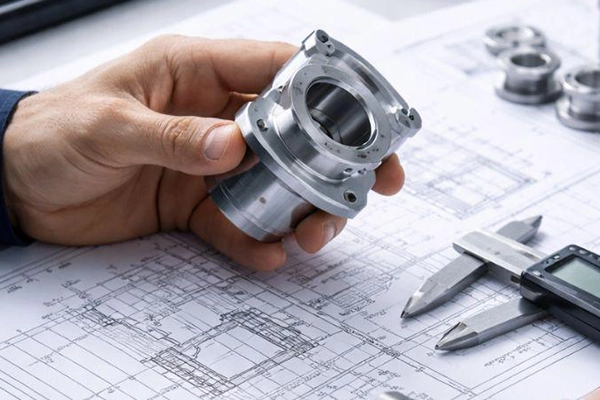
This is why precision extrusions should not be evaluated only by the die profile. The real engineering value often appears after CNC finishing, when the part becomes assembly-ready rather than just extrusion stock.
Table 1. Extrusion features vs CNC-machined features
Feature type
Better handled by extrusion
Better handled by CNC
Basic cross-section shape
Yes
No
Continuous ribs and grooves
Yes
No
Threaded holes
No
Yes
End-face squareness
No
Yes
Precision slots and pockets
No
Yes
Local datum surfaces
Partial
Yes
Where Machined Aluminum Extrusions Add the Most Value
Raw extrusions can meet profile tolerance, but many assemblies still need tighter local control. That is why machined aluminum extrusions are a different category from standard profile stock.
They add value in three practical ways:
1) They create assembly-ready interfaces
Holes, tapped threads, locating surfaces, and mounting slots determine whether a part can be installed without extra fitting work.
2) They improve dimensional consistency
Critical features are machined from controlled datums rather than relying only on the as-extruded condition.
3) They reduce customer-side rework
Profiles arrive with machining, deburring, and finish preparation already completed, which shortens assembly time and lowers inspection risk.
For projects where section geometry and secondary machining need to be optimized together, our custom aluminum extrusion profiles page is the most relevant internal reference.
Engineering Controls That Matter Most in Precision Extrusions
Not every dimension on an extrusion part should be held the same way. Good manufacturing planning separates profile tolerance from machined-feature tolerance.
Table 2. Key control points for precision extrusions
Control item
Practical engineering focus
Alloy selection
6063 for cleaner profile flow and anodized finish; 6061 for higher strength and machining balance
Wall thickness
Avoid weak unsupported walls near drilled or tapped features
Datum planning
Reserve stable surfaces for CNC locating
Hole position
Control after extrusion by CNC
End squareness
Control by sawing + facing
Burr condition
Important before anodizing and assembly
In actual production, the process review usually covers:
alloy and temper before die release
profile dimensions linked to the assembly drawing
machining datums before fixture design
tolerance split between extrusion and CNC
inspection method for critical interfaces
finish compatibility with cosmetic and corrosion requirements
For high-accuracy projects, finished machining tolerance on critical functional features can be controlled to ≤0.005 mm when part geometry, fixture stability, and measurement conditions support it. That level should be applied to key machined interfaces, not to every dimension on the full profile.
Material Selection for CNC Aluminum Extrusion Projects
The most common alloys behind precision extrusions are 6063 and 6061 aluminum , but they serve different engineering purposes.
Table 3. Typical alloy choice for aluminum extrusion parts
Alloy
Best fit
Notes
6063
cosmetic profiles, housings, heat sinks
good profile flow, clean anodized finish
6061
structural parts, brackets, machined assemblies
better strength and balanced machinability
6082
heavier-duty structural sections
stronger, but profile complexity must be reviewed
If the part needs cleaner cosmetic appearance and moderate load, 6063 is often the better fit. If the part needs stronger threads, more machining, or higher structural performance, 6061 is usually preferred.
This is also why search terms such as CNC aluminum extrusion, extruded aluminum CNC, and CNC extruded aluminum often point to the same real requirement: an aluminum extrusion that must also be machined accurately enough for direct use in a mechanical assembly.
Design Rules That Make Precision Extrusions Easier to Machine
The easiest way to reduce total manufacturing cost is to make the profile CNC-friendly from the start. A weak extrusion design always makes secondary machining more difficult.
Recommended practices:
keep enough wall thickness near drilled and tapped areas
avoid placing critical holes too close to open unsupported edges
build at least one stable datum face into the profile
leave enough stock where end milling or local cleanup is required
define clearly which dimensions are extrusion-controlled and which are CNC-controlled
If the program will move from sample approval to stable production, process planning matters as much as geometry. Our prototype-to-production manufacturing guide is the best next reference for aligning prototype review, fixture planning, and repeatable production control:
When Precision Extrusions Are Better Than Fully Machined Solid Parts
A combined extrusion + CNC route is usually the better option when:
the part has a repeated cross-section over length
grooves, channels, or ribs are part of the design
weight reduction matters
multiple finished parts can be cut from one profile length
machining is local rather than full-body material removal
the project needs a balance between cost, repeatability, and moderate complexity
If geometry changes constantly along the whole part, or if the component is short and heavily sculpted, billet machining may still be the better choice.
Precision extrusions are custom aluminum profiles produced with controlled cross-section tolerances and then often finished by CNC machining to create assembly-ready features.
What is the difference between a standard extrusion and a machined extrusion?
A standard extrusion is usually a raw profile. A machined extrusion includes drilling, tapping, milling, slotting, facing, or other secondary operations needed for direct assembly use.
Can precision extrusions hold tight tolerances?
Yes. The key is to separate profile tolerance from machined-feature tolerance. Critical interfaces are usually controlled by CNC after extrusion.
Which alloy is better for precision extrusions, 6061 or 6063?
6063 is often chosen for cleaner profile appearance and anodizing. 6061 is often chosen for stronger structural performance and more demanding machining work.
When should I use extrusion plus CNC instead of billet machining?
It is usually the better route when the part has a repeated cross-section, needs weight reduction, or only requires local machined features rather than full-body material removal.
What should an RFQ for machined aluminum extrusions include?
It should include the profile drawing, alloy and temper, key tolerances, machining callouts, surface finish requirement, and estimated production volume.
Ready to start
Your next project?
Contact our technical experts today for a customized solution and a tailored quotation.
Our expert team will contact you within 24 hours
to provide a free technical evaluation and solution design, helping you upgrade your production process.
ADDRESS
NO.22,You Yi Road ,Wulian Community, LongCheng Street ,Long gang District ,Shen Zhen