Tolerances for Precision Aluminum Extrusion Profiles: Proven Engineering Methods for High-Accuracy Aluminum Components
Tolerances for precision aluminum extrusion Profiles are engineered aluminum profiles developed for applications where standard extrusion performance is not enough. They combine controlled extrusion geometry with secondary processing methods to achieve reliable assembly, stable dimensions, and consistent production quality.
For industrial equipment, automation systems, communication devices, LED structures, and electronic components, the challenge is not only producing an aluminum shape. The real challenge is creating a finished part that meets functional requirements after machining, finishing, and assembly.
A successful extrusion project requires cooperation between design engineers, extrusion specialists, and machining teams. Proper alloy selection, realistic tolerances, machining allowance, and inspection planning all influence the final result.
Why Tolerances for Precision Aluminum Extrusion Profiles Need Better Process Planning
Aluminum extrusion is an efficient manufacturing process for creating complex profiles. However, extrusion alone cannot always achieve the precision required for functional mechanical components.
Many engineers initially focus on the profile shape but underestimate the importance of downstream machining. Features such as:
Precision mounting surfaces
Threaded holes
Accurate locating points
Assembly interfaces
Custom pockets and slots
usually require additional CNC processing.
The most common production issues occur when extrusion design and machining requirements are considered separately.
Typical problems include:
Insufficient machining allowance
Unstable clamping areas
Excessive wall thickness variation
Poor datum selection
Unexpected profile deformation
These problems can increase machining time, create additional inspection requirements, and lead to unnecessary material waste.
For this reason, manufacturers often evaluate extrusion geometry together with the planned machining process before production begins.
[Internal Link ①: CNC machining services]
When extrusion components require complex secondary operations, integrated CNC machining services help maintain better process control between design review, prototype development, and production manufacturing.
Extrusion Manufacturing vs Secondary Machining Requirements
The extrusion process and CNC machining process perform different functions. Understanding this difference helps engineers create more practical designs.
Process Stage
Main Function
Engineering Consideration
Extrusion
Creates profile cross-section
Focuses on shape efficiency
Straightening
Improves profile alignment
Controls bow and twist
Cutting
Produces required length
Basic dimensional control
CNC machining
Creates precision features
Achieves functional accuracy
Inspection
Confirms specifications
Validates production consistency
A common mistake is requiring extrusion tolerances for features that will later be machined. This increases tooling complexity without improving the final component.
A better approach is to identify critical surfaces and allow machining operations to achieve the final dimensions.
Material Selection for Reliable Precision Extrusions
The performance of precision aluminum components depends heavily on material selection. Different aluminum grades provide different combinations of strength, corrosion resistance, machinability, and surface quality.
Common alloy choices include 6061, 6063, 6005A, and 6082. Each grade has advantages depending on the application.
Comparison of Common Aluminum Extrusion Materials
Aluminum Alloy
Main Advantage
Machining Characteristics
Common Applications
6061
Balanced strength and corrosion resistance
Excellent machinability
Industrial components
6063
Superior surface appearance
Good extrusion performance
Frames and covers
6005A
Higher structural strength
Suitable for machining
Equipment structures
6082
Strong mechanical performance
Good cutting stability
Heavy-duty parts
Selecting suitable aluminum extrusion alloys requires considering both extrusion performance and later manufacturing requirements.
For example, 6063 is often preferred when appearance and surface finish are important. However, components requiring extensive machining may benefit from 6061 because of its better strength-to-machinability balance.
How Alloy Choice Affects Machining Performance
Different extruded aluminum alloys behave differently during machining operations.
Important factors include:
Material Property
Manufacturing Impact
Hardness
Influences cutting force and tool wear
Strength
Determines load capability
Ductility
Affects chip control
Internal stress
Influences dimensional stability
Surface condition
Affects finishing quality
When engineers select materials for precision components, they should consider the entire manufacturing process rather than extrusion performance alone.
A profile that is easy to extrude may not always be the best option for machining-intensive applications.
[Internal Link ②: aluminum CNC machining]
Understanding the relationship between alloy characteristics and machining behavior helps engineers choose suitable aluminum CNC machining solutions for accurate and repeatable aluminum components.
Designing Profiles for Stable Production Results
Good profile design reduces manufacturing risks before production begins.
Engineers should consider:
Machining access
Tool clearance
Wall thickness consistency
Clamping stability
Functional datum locations
Surface finishing requirements
A well-designed extrusion minimizes unnecessary machining operations while maintaining the required performance.
For industrial OEM projects, early design evaluation can prevent costly modifications after tooling or production has started.
CNC Machining Strategies for Precision Extrusion Components
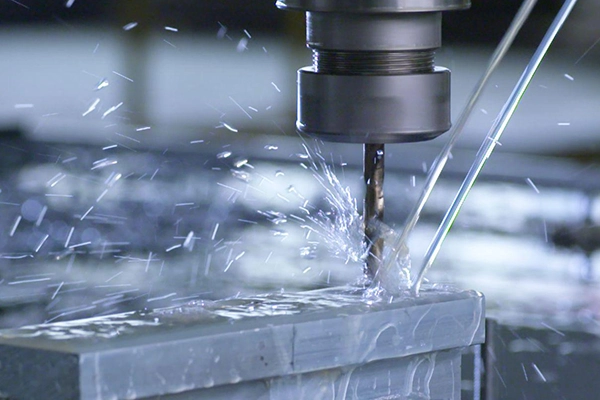
After extrusion production, many aluminum profiles require additional processing to achieve the final functional requirements. This is where aluminum extrusion machining becomes essential for industrial applications.
Extrusion creates the basic profile geometry, while CNC machining produces the features that directly affect assembly and performance. These features may include precision holes, threaded connections, mounting surfaces, and complex pockets.
A reliable machining process should consider:
Profile stability during clamping
Tool accessibility
Cutting force control
Heat generation
Inspection requirements
For thin-wall profiles, improper fixture design can cause deformation during machining. For complex profiles, insufficient machining allowance can prevent the achievement of final dimensions.
Improving Accuracy Through CNC Aluminum Extrusion Processes
Modern manufacturing often combines extrusion efficiency with CNC precision to produce components that are ready for assembly.
The purpose of CNC aluminum extrusion is not to replace extrusion, but to improve the functional accuracy of the final part.
Typical secondary machining operations include:
CNC Operation
Purpose
Quality Consideration
Milling
Creates flat surfaces and pockets
Controls dimensional accuracy
Drilling
Produces mounting holes
Requires stable positioning
Threading
Creates fastener connections
Requires correct tool selection
Slot machining
Produces assembly features
Requires consistent geometry
Surface machining
Improves contact areas
Controls flatness
When machining requirements become more complex, extruded aluminum CNC processes provide better flexibility than relying only on extrusion tolerances.
For production parts, engineers often combine multiple operations into a single setup. This reduces repositioning errors and improves repeatability.
The most effective workflow usually includes:
Engineering design review
Manufacturing feasibility analysis
Prototype verification
Process optimization
Production inspection
Controlling Aluminum Extrusion Tolerances for Functional Components
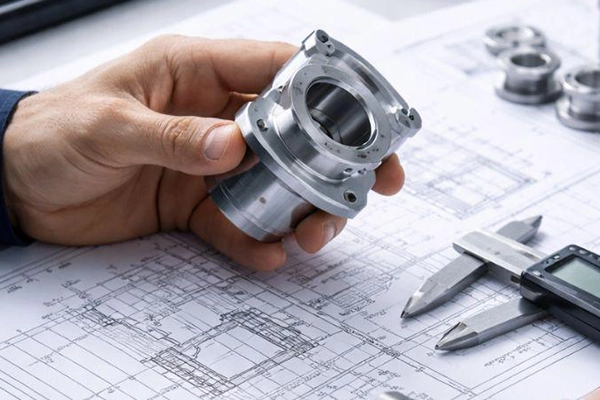
Dimensional accuracy is one of the most important considerations when converting an extrusion into a finished mechanical component.
Therefore, engineers should define tolerances according to actual functional requirements instead of applying unnecessarily strict specifications to every dimension.
A practical tolerance strategy separates:
Non-critical profile dimensions
Assembly reference surfaces
Precision mounting features
Machined functional areas
[Internal Link ③: aluminum extrusion tolerance standards]
Before production, engineers can evaluate aluminum extrusion tolerancerequirements together with established dimensional guidelines to determine which areas require secondary machining control.
Typical Precision Control Levels for Tolerances for Precision Aluminum Extrusion Profiles
Feature Requirement
Manufacturing Method
Possible Accuracy
General profile dimensions
Extrusion process
Based on extrusion standards
Functional mounting surfaces
CNC machining
≤0.005 mm possible
Hole location accuracy
CNC drilling/milling
High repeatability
Surface flatness
Secondary machining
Controlled by process setup
For many industrial applications, standard aluminum extrusion tolerances are sufficient for structural areas. However, mounting points and mating surfaces usually require additional CNC finishing.
An aluminum extrusion tolerance chart is useful during the design stage because it helps engineers understand achievable limits and avoid unrealistic requirements.
Surface Finishing Options for Long-Term Performance
Surface treatment improves appearance, corrosion resistance, and service life. The correct finishing method depends on the application environment and functional requirements.
Common Aluminum Surface Finishes
Finish Type
Main Advantage
Suitable Applications
Anodizing
Durable oxide protection
Industrial frames and housings
Mill finish
Natural extrusion surface
Internal structures
Powder coating
Decorative protection
Equipment covers
Mechanical finishing
Improved appearance
Visible components
Anodized extruded aluminum is widely selected when both corrosion resistance and appearance are important.
Compared with untreated surfaces, anodized aluminum extrusion provides improved protection while maintaining the lightweight advantages of aluminum.
For projects requiring consistent appearance across multiple production batches, anodized aluminum extrusions should be considered together with machining and inspection requirements.
Strength Considerations for Extruded Components
Mechanical performance depends on more than the aluminum alloy itself. Profile geometry, wall thickness, heat treatment, and manufacturing quality all influence final performance.
Engineers evaluating structural applications should consider:
Load direction
Support points
Stress concentration areas
Connection methods
Operating environment
Aluminum extrusion strength is determined by the combination of material selection and profile design.
For example, increasing wall thickness may improve rigidity, but it can also increase material cost and machining requirements.
Similarly, extruded aluminum strength varies significantly between alloys and profile geometries. A properly optimized design often achieves better performance without unnecessary material increase.
Optimizing Machined Aluminum Extrusions from Prototype to Production
Successful production requires more than achieving the correct dimensions on a single prototype. The manufacturing process must remain stable throughout repeated production cycles.
Reliable production normally includes:
Process documentation
Fixture validation
Dimensional inspection
Material traceability
Continuous quality monitoring
[Internal Link ④: custom aluminum extrusion profiles]
For applications requiring unique geometry and functional features, custom extruded aluminum profiles provide greater design flexibility while allowing manufacturers to optimize machining operations.
A well-developed profile reduces unnecessary machining steps and improves overall production efficiency.
Engineering Design Considerations Before Production
Before approving an extrusion design, engineers should review:
Required tolerances
Machining access
Surface finishing requirements
Assembly conditions
Inspection methods
[Internal Link ⑤: aluminum extrusion design guide]
Following an appropriatealuminum extrusion design guide helps avoid common issues related to profile complexity, machining allowance, and production feasibility.
PAA – Frequently Asked Questions
What are Tolerances for precision aluminum extrusion profiles used for?
Tolerances for precision aluminum extrusion profiles are commonly used for industrial components requiring stable dimensions and reliable assembly performance, including automation equipment, electronic structures, communication devices, and mechanical assemblies.
Why does aluminum extrusion require CNC machining?
Extrusion efficiently creates the basic profile shape, but CNC machining is needed for precision features such as holes, threads, slots, and accurate mounting surfaces.
What is the difference between extrusion tolerance and machining tolerance?
Extrusion tolerance controls the profile produced from the die process. Machining tolerance controls final functional features after CNC processing.
How strong are aluminum extrusion profiles?
The strength depends on alloy type, wall thickness, geometry, and application requirements. Proper material selection can significantly improve structural performance.
Is anodizing suitable for precision aluminum components?
Yes. Anodizing improves corrosion resistance and surface durability while maintaining the lightweight properties of aluminum.
Ready to start
Your next project?
Contact our technical experts today for a customized solution and a tailored quotation.
Our expert team will contact you within 24 hours
to provide a free technical evaluation and solution design, helping you upgrade your production process.
ADDRESS
NO.22,You Yi Road ,Wulian Community, LongCheng Street ,Long gang District ,Shen Zhen