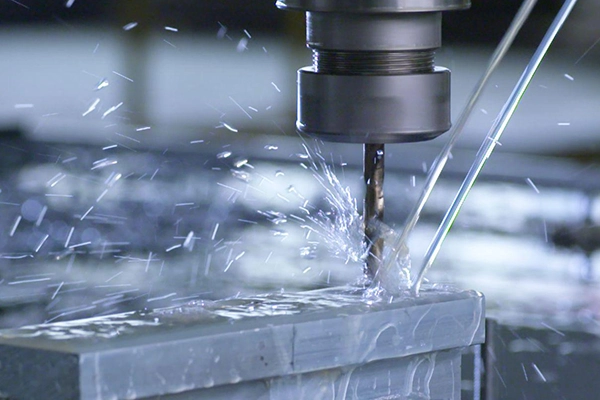
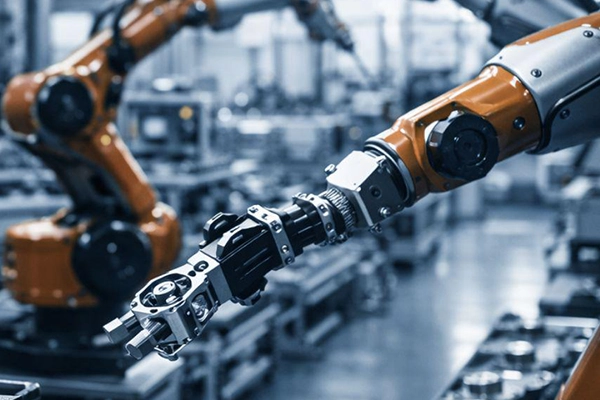
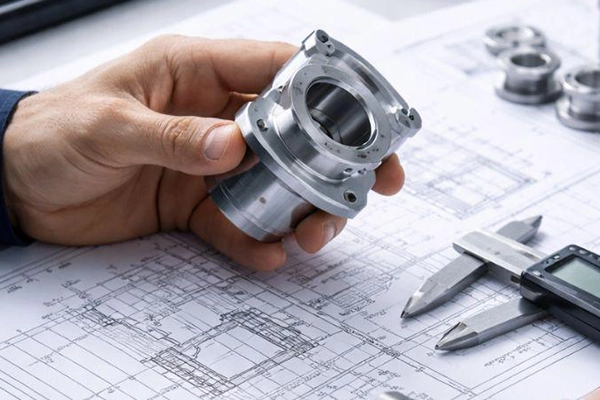
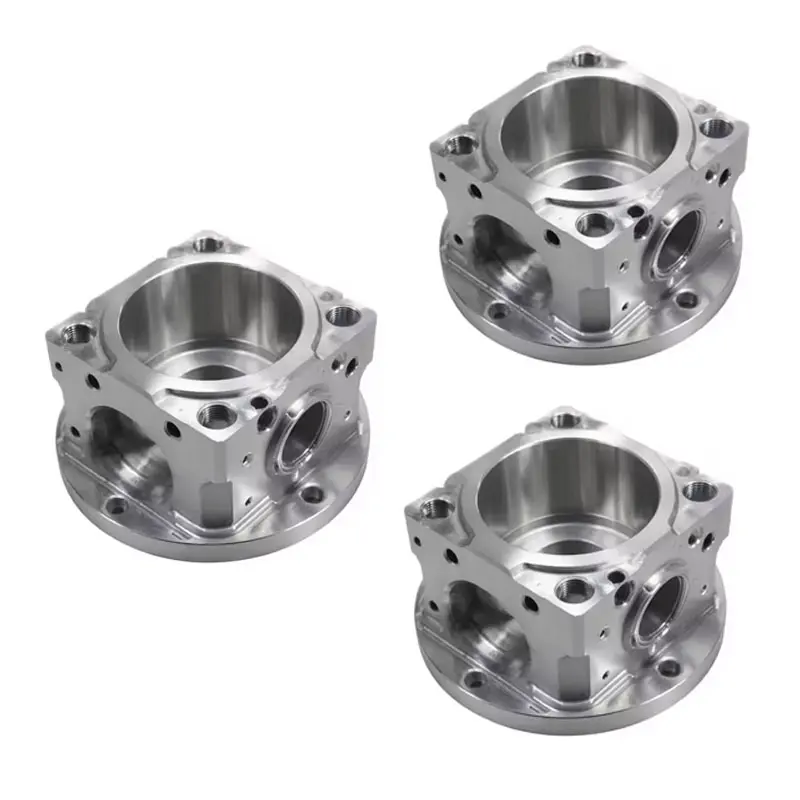
Custom 5-Axis Machined Parts are no longer limited to high-end applications—they are now widely used across automotive, medical, semiconductor, robotics, and electronics industries where geometry complexity and precision requirements exceed conventional machining limits.
Instead of asking whether 5-axis is necessary, most engineering teams today are asking a more practical question: how to design, cost, and source custom parts efficiently without overpaying or overengineering.
This guide focuses on real manufacturing decisions—cost drivers, design rules, and supplier selection logic—based on actual shop-floor experience.
Cost Breakdown: Where Your Budget Really Goes
When evaluating Custom CNC milling parts price breakdown, many buyers focus too much on hourly machining rates. In reality, cost is driven by a combination of programming complexity, setup reduction, and risk control.
Key Cost Elements
Cost Factor
Impact Level
Notes
CAM Programming
High
Complex toolpaths increase engineering time
Machine Time
Medium
Optimized with simultaneous 5-axis
Setup & Fixturing
High
Often eliminated with 5-axis
Material Cost
Medium
Depends on selection
Scrap Risk
High
Reduced with fewer setups
Inspection
Medium
Critical for tight tolerance parts
Real Insight from Production
A complex part requiring 4 setups in 3-axis can often be completed in 1 setup with 5-axis
Programming time may increase by 20–30%, but overall cycle time drops significantly
Scrap reduction alone can offset higher machining costs
If your part involves multi-surface machining → prioritize setup reduction over hourly rate
Material Selection Strategy: Performance vs Machinability
Material choice directly impacts both cost and manufacturability. For Custom 5-Axis Machined Parts, selecting the wrong material often leads to tool wear, unstable cutting, and inconsistent quality.
Material Comparison Table
Material
Machinability
Typical Use
5-Axis Advantage
Aluminum
Excellent
Consumer electronics, housings
High-speed machining
Stainless Steel
Moderate
Medical, food-grade parts
Better surface control
Titanium
Difficult
Medical implants
Controlled tool engagement
Engineering Plastics
Easy
Semiconductor components
Fast prototyping
Stainless steel 5-axis CNC parts supplier considerations
Stainless steel is often selected for corrosion resistance and strength, but:
It generates more heat
It requires stable cutting strategies
Tool wear is significantly higher
With 5-axis machining:
Tool angle optimization reduces chatter
Surface finish improves without secondary polishing
If corrosion resistance is critical → choose stainless, but ensure supplier has real 5-axis experience
Design Strategy: Avoiding Common Engineering Mistakes
Poor design decisions are one of the biggest cost drivers in custom machining.
Best Practices for Designing Custom 5-Axis Machined Parts
Avoid unnecessary deep cavities without tool access planning
Designing features that require custom tooling unnecessarily
If a feature cannot be reached with standard tooling → cost increases exponentially
Deep Cavities and Complex Geometry: Where 5-Axis
5-axis CNC machining parts with deep cavities are one of the most challenging structures in real production.
Common Problems
Tool deflection
Poor chip evacuation
Surface inconsistency
Engineering Solution
By adjusting tool orientation dynamically, 5-axis machining reduces tool overhang and stabilizes cutting conditions. This is especially important when machining deep pockets or complex internal geometries.
In practical projects, many engineers choose to validate these designs early with experienced suppliers offering 5-axis CNC machining services to avoid redesign costs caused by tool access limitations.
If cavity depth exceeds 3x tool diameter → redesign or switch to 5-axis strategy early
Small Batch Production: Flexibility vs Cost Efficiency
For startups and R&D teams, small batch 5-axis CNC parts production offers flexibility without tooling investment.
Typical Use Cases
Prototype validation
Low-volume medical components
Robotics and automation parts
Cost Behavior
Volume
Cost per Part
Setup Impact
1–10 pcs
High
Programming dominates
10–100 pcs
Moderate
Balanced
100+ pcs
Lower
Efficiency improves
If volume is low but geometry is complex → 5-axis is often more economical than redesigning
Robotics and Emerging Applications
Precision 5-axis CNC parts for robotics are becoming increasingly common due to the need for:
Lightweight structures
Compact designs
Multi-functional integration
Practical Examples
Robot joint housings
Sensor mounting brackets
End-effector components
These parts often combine:
Tight tolerances
Complex surfaces
Multi-axis features
If part integration reduces assembly → overall system cost drops significantly
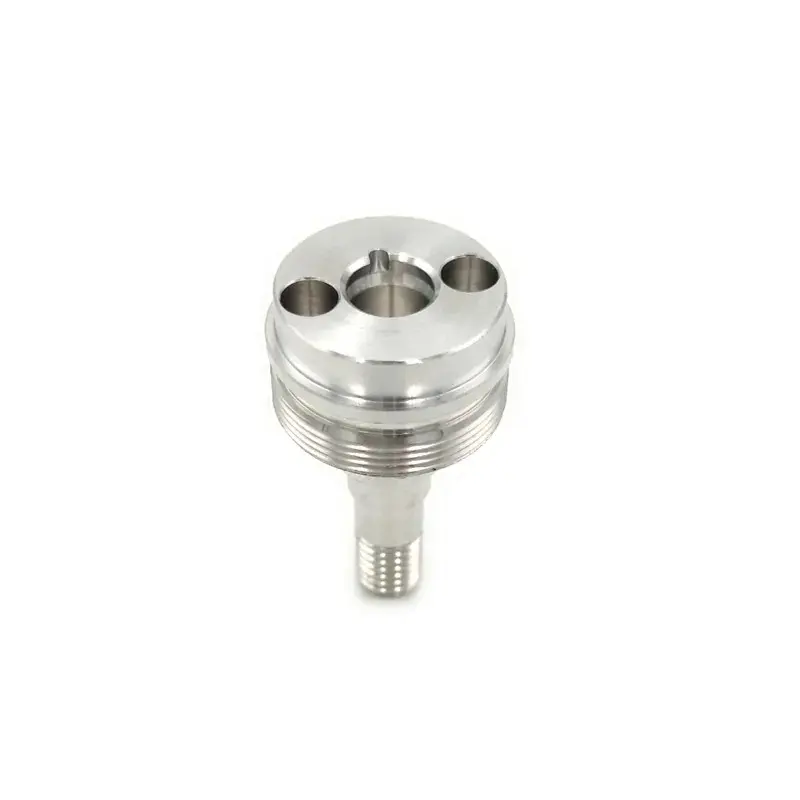
Visual Reference: What Real 5-Axis Parts Look Like
A Custom 5-axis CNC machining parts gallery typically includes:
Multi-face machined housings
Complex curved surfaces
Deep pocket structures
Integrated functional features
Process Workflow: From Design to Delivery
A reliable supplier follows a structured workflow to ensure consistency.
Typical Workflow
Step
Description
Design Review
DFM feedback
CAM Programming
Toolpath strategy
Simulation
Collision check
Machining
Stable cutting
Inspection
CMM verification
At this stage, many buyers choose to collaborate with experienced providers offering 5-axis CNC machining services to ensure proper execution of complex geometries without trial-and-error.
Supplier Selection: What Actually Matters
Choosing a supplier is not about finding the cheapest quote—it’s about minimizing risk.
Key Criteria
Proven experience with complex parts
Ability to provide DFM feedback
Inspection capability (CMM reports)
Stable production process
A reliable partner in precision CNC machining services should also demonstrate cross-industry capability, especially in medical and semiconductor applications where precision standards are higher.
If supplier cannot explain their machining strategy → they are not ready for complex projects
If corrosion resistance matters → choose stainless steel
If biocompatibility is required → choose titanium
If geometry is highly complex → design for 5-axis
If budget is tight → optimize design before choosing cheaper machining
The best design is not the most complex one—it’s the easiest one to manufacture reliably
Final Thoughts: Design for Manufacturing, Not Just Function
The biggest mistake engineers make is designing parts purely for function without considering manufacturability.
5-axis CNC machining is not just a tool—it’s a design enabler. When used correctly, it reduces cost, improves quality, and shortens lead time.
For buyers and engineers, the goal should not be to use 5-axis everywhere, but to use it where it creates measurable value.
Request a Quote or Engineering Support
If you’re working on complex geometries, deep cavity structures, or small batch production, it’s worth discussing your design with an experienced machining partner.
A quick design review can often reduce cost by 20–30% before production even begins.
People Also Ask (PAA)
What are the advantages of custom 5-axis machined parts?
They enable complex geometries, reduce setups, improve accuracy, and often lower total production cost despite higher machine rates.
When should I use 5-axis CNC machining instead of 3-axis?
When parts require multi-face machining, deep cavities, or tight tolerances across multiple surfaces.
Is 5-axis CNC machining suitable for small batch production?
Yes, especially for complex parts where tooling costs or redesign would be more expensive.
What materials are best for 5-axis machining?
Aluminum, stainless steel, and titanium are the most common, depending on application requirements.
How to reduce cost in custom CNC machined parts?
Optimize design for manufacturability, reduce unnecessary tolerances, and minimize setups through 5-axis strategies.
Ready to start
Your next project?
Contact our technical experts today for a customized solution and a tailored quotation.
Our expert team will contact you within 24 hours
to provide a free technical evaluation and solution design, helping you upgrade your production process.
ADDRESS
NO.22,You Yi Road ,Wulian Community, LongCheng Street ,Long gang District ,Shen Zhen