Custom Aluminum Extrusion: Advanced Design Guide for Precision Industrial Applications
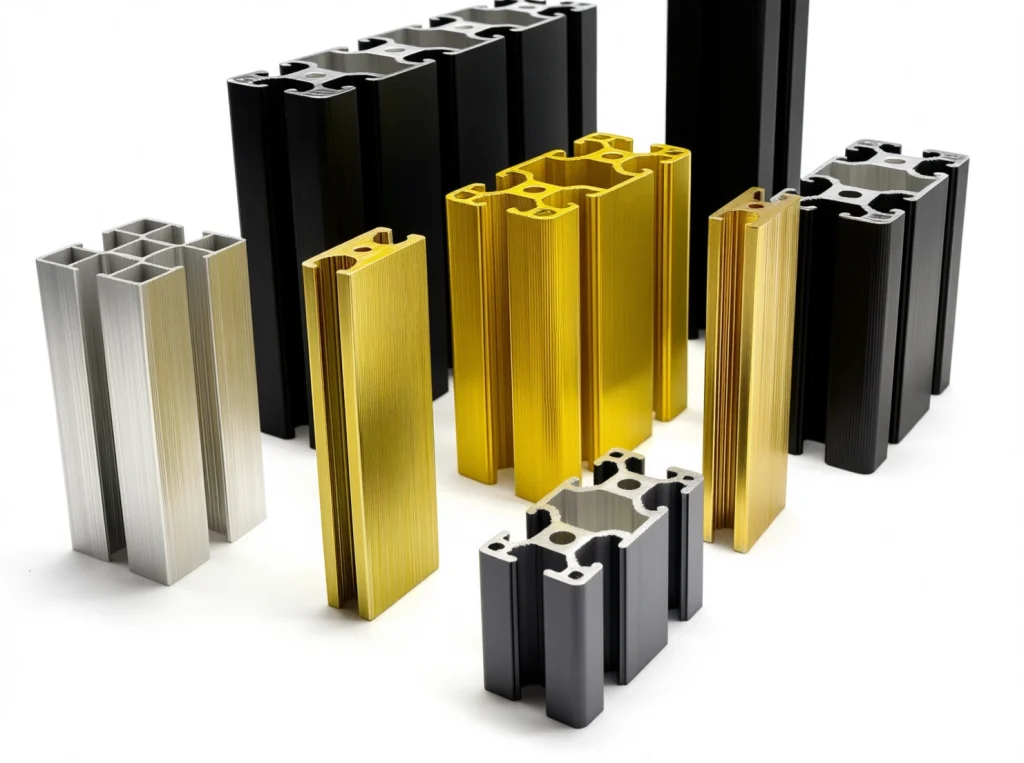
Custom aluminum extrusion is a manufacturing process that forms aluminum alloy into specific profile shapes through a dedicated extrusion die. Compared with standard aluminum sections, customized profiles allow engineers to optimize geometry, weight, strength, and assembly requirements for industrial applications.
In real engineering projects, extrusion design is not only about creating a unique shape. Material selection, wall thickness, dimensional tolerance, machining requirements, and surface treatment all influence the final component performance.
Yueyi Precision supports industrial customers by combining aluminum extrusion with precision machining processes. This approach helps create functional components for automation equipment, LED stage structures, communication devices, and electronic assemblies. Engineers evaluating integrated manufacturing can review our custom aluminum extrusion manufacturing solutions for different industrial requirements.
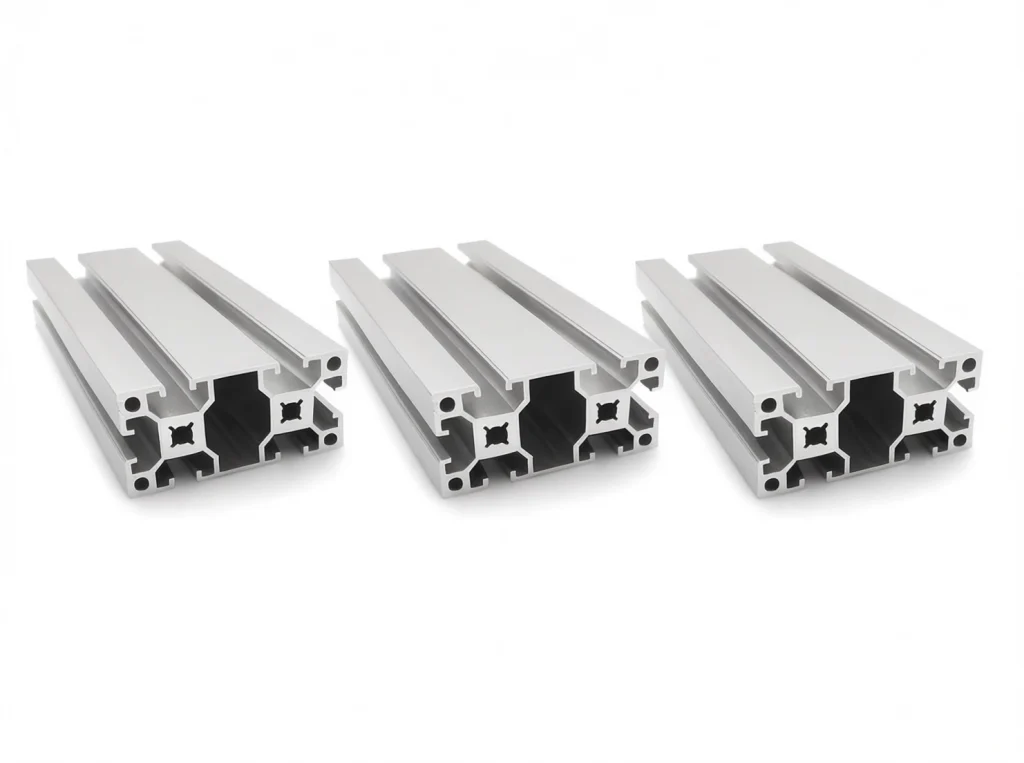
Standard aluminum profiles are produced in common shapes and sizes. They work well for general structures, but they may create limitations when a project requires special mounting features, optimized weight, or integrated functions.
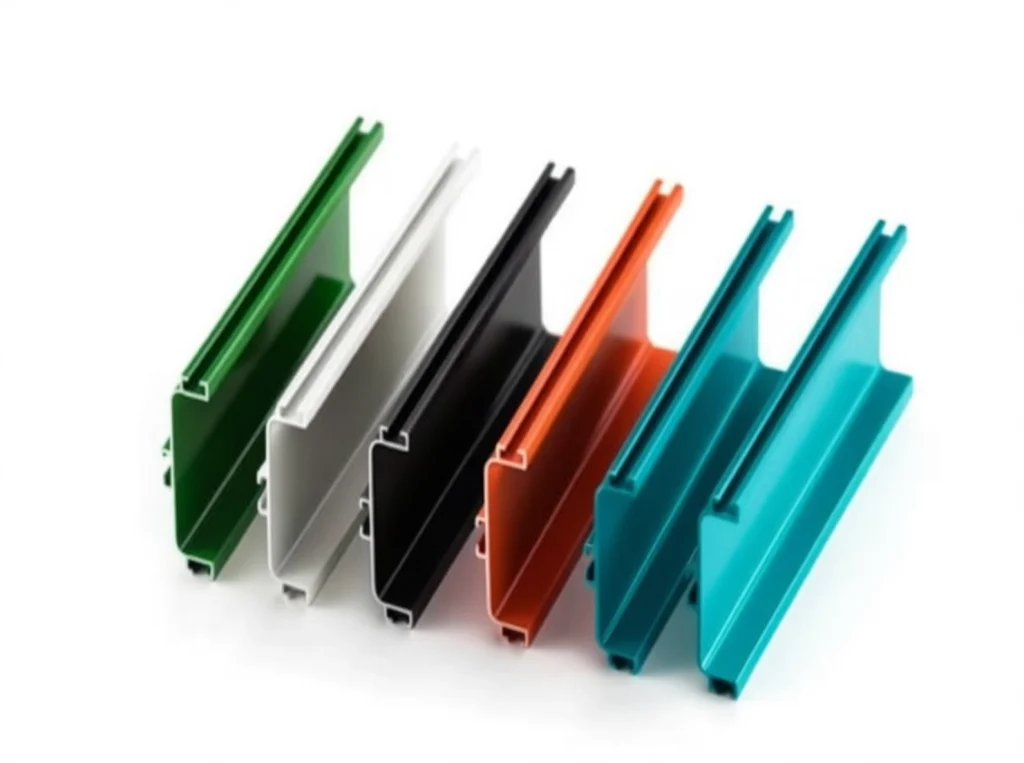
Custom aluminum extrusions allow designers to develop profiles based on actual application needs instead of adjusting a product around available shapes.
Common design advantages include:
Integrated assembly channels
Reduced component weight
Improved structural strength
Better cable management
Fewer secondary components
Simplified installation process
Comparison Factor
Standard Aluminum Profile
Custom Extrusion Design
Shape selection
Limited standard options
Application-specific geometry
Tooling
Existing tooling
Dedicated extrusion die
Material usage
General purpose
Optimized structure
Assembly design
Additional brackets required
Integrated functions possible
For industrial components, a well-designed extrusion profile can reduce assembly time and improve overall product reliability.
Material Selection Guide for Custom Aluminum Extrusion
Choosing the correct aluminum alloy is an important engineering decision. Different alloys provide different combinations of strength, machinability, corrosion resistance, and surface quality.
The most common materials include:
Alloy
Characteristics
Typical Applications
6063 Aluminum
Excellent extrusion performance and surface finish
Frames, covers, decorative structures
6061 Aluminum
Higher strength and good machining performance
Mechanical components, equipment parts
6082 Aluminum
Strong industrial alloy commonly used in Europe
Machinery structures, transportation parts
7075 Aluminum
Extremely high strength but difficult to extrude
High-performance components
For most industrial projects, 6061 and 6063 aluminum are frequently selected because they provide a practical balance between manufacturing cost and performance.
When engineers require additional machining operations, alloy machinability becomes especially important because it directly affects cutting efficiency, tool life, and dimensional stability.
Design Considerations for Custom Aluminum Extrusion Profiles
Profile Geometry and Wall Thickness
Good extrusion design starts with manufacturable geometry. Extremely thin walls, sharp internal corners, or uneven material distribution can increase extrusion difficulty and affect consistency.
Recommended design practices include:
Maintaining consistent wall thickness
Using reasonable corner radii
Avoiding unnecessary complex structures
Adding reinforcement ribs when additional strength is required
Custom aluminum extrusion profiles are normally developed according to the final application environment, including load requirements, installation method, and machining requirements.
For engineers developing specialized structures, reviewing different precision aluminum extrusion profile options can help determine the most suitable profile configuration before production.
Tolerance Control and Secondary CNC Machining Requirements
Extrusion processes can achieve reliable dimensional accuracy, but some industrial applications require tighter tolerances than extrusion alone can provide.
Typical engineering parameters include:
Manufacturing Stage
Typical Capability
Extrusion length tolerance
±0.5mm to ±1mm depending on profile length
Standard extrusion tolerance
Based on alloy and profile dimensions
CNC machining accuracy
Up to ≤0.005mm
Machined surface roughness
Ra 0.8–3.2μm typical
Many aluminum extrusion components require secondary operations, including:
Precision drilling
Thread tapping
Slot machining
End-face milling
Hole positioning
Extrusion creates the basic profile shape, while CNC machining provides the final functional accuracy required for assembly.
Applications of Custom Extruded Aluminum Profiles
Custom extruded aluminum profiles are widely used in industries where lightweight structures, corrosion resistance, and design flexibility are important.
Typical applications include:
Industrial automation equipment
LED stage structures
Electronic equipment housings
Communication devices
Mechanical support structures
Different industries have different requirements. For example, automation equipment often requires stronger structural profiles, while electronic applications may focus more on appearance, heat dissipation, and assembly convenience.
A complete understanding of profile design helps engineers avoid redesign costs during later production stages.
Surface Treatment Options for Aluminum Extrusion Components
Surface finishing improves appearance, corrosion resistance, and product durability.
Surface Treatment
Main Benefits
Common Usage
Anodizing
Corrosion resistance and stable appearance
Electronic parts, frames
Powder Coating
Strong protection and color flexibility
Industrial structures
Brushing
Decorative metal appearance
Consumer equipment
CNC Finishing
Functional precision surfaces
Mechanical assemblies
Engineers should consider finishing requirements during the design stage because coating thickness and surface treatment processes may influence final dimensions.
How to Reduce Manufacturing Cost Without Reducing Quality
Cost optimization should focus on improving the complete manufacturing process rather than simply selecting the lowest-cost option.
Effective approaches include:
Simplify unnecessary profile complexity.
Select alloys based on actual performance needs.
Define realistic tolerance requirements.
Reduce unnecessary machining operations.
Plan production requirements early.
A successful transition from design validation to volume production requires proper process planning. Many engineering teams evaluate the prototype to production manufacturing process to ensure stable quality and efficient scaling.
Understanding Custom Aluminium Extrusions for Global Markets
European engineering teams often use the term custom aluminium extrusions when searching for customized aluminum profile suppliers.
The manufacturing principles remain similar, but regional requirements may influence material preferences, tolerance expectations, and documentation standards.
Some buyers may also search for custom aluminium profiles when evaluating lightweight structural components for machinery and equipment.
For highly specialized applications, bespoke aluminium extrusions can provide additional design freedom when standard solutions cannot satisfy mechanical or assembly requirements.
Selecting a Reliable Manufacturing Partner
Choosing a suitable supplier requires evaluating more than extrusion capability.
Important factors include:
Engineering communication ability
Material control
Machining capability
Quality inspection process
Production consistency
Yueyi Precision combines aluminum processing knowledge with precision manufacturing experience. Our inspection equipment includes CMM measurement systems and precision measuring tools to support stable dimensional control.
Engineers who are still evaluating profile design, material selection, and manufacturing requirements can review this custom aluminum extrusion design guide for a deeper understanding of the complete development process.
People Also Ask (PAA)
What is custom aluminum extrusion used for?
It is commonly used for industrial frames, equipment structures, electronic housings, communication components, and mechanical assemblies requiring customized profile designs.
Which aluminum alloy is best for extrusion applications?
6063 aluminum is widely used for profiles requiring excellent surface finish, while 6061 aluminum is preferred when higher strength and machining capability are needed.
Can aluminum extrusion parts be CNC machined?
Yes. CNC machining is commonly used after extrusion for drilling, milling, tapping, and precision surfaces that require tighter dimensional control.
What tolerance can aluminum extrusion achieve?
Extrusion tolerance depends on profile design and alloy selection. Secondary CNC machining can achieve precision levels up to ≤0.005mm.
Are custom aluminum profiles more expensive than standard profiles?
Yes, because custom tooling and engineering development are required. However, optimized designs can reduce assembly costs and improve product performance.
How do engineers choose between extrusion and machining from solid aluminum?
Extrusion is usually preferred for long profiles with consistent cross-sections, while machining from solid material is better for complex three-dimensional parts.
Ready to start
Your next project?
Contact our technical experts today for a customized solution and a tailored quotation.
Our expert team will contact you within 24 hours
to provide a free technical evaluation and solution design, helping you upgrade your production process.
ADDRESS
NO.22,You Yi Road ,Wulian Community, LongCheng Street ,Long gang District ,Shen Zhen